
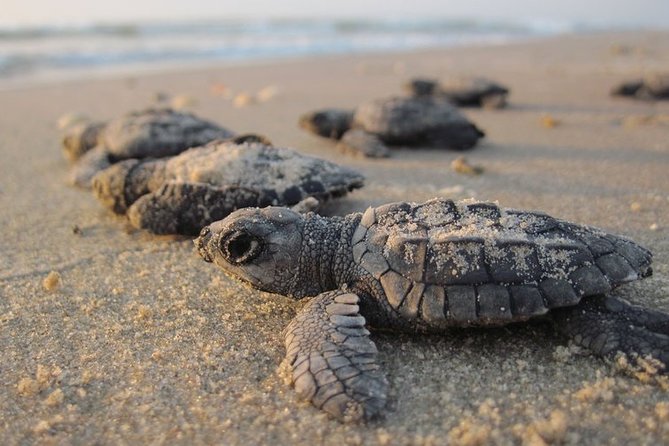
Reviewed · TURTLE WATCHING
Private Turtle Watching Experience
The remarkable part comes after dark, when loggerhead turtles leave the sea, crawl up Sal’s beach, and begin the slow work of making a nest. You watch from a careful distance as the turtle lays her eggs, covers them, and returns toward the water. It is quiet, strange, and far more moving than seeing a sea turtle behind glass.
I like the private format, since your group gets its own transport, guide, and beach tent rather than being folded into a large outing. I also like the conservation angle: part of the price supports beach cleanups on Sal Island, which helps protect the nesting shore and nearby marine life.
The main drawback is the late start. Pickup is around 10:20 p.m., and the activity lasts about three hours, so this is not an easy fit if you need an early night. Turtle sightings also depend on nature and weather, not a schedule.
Key points to know before you book
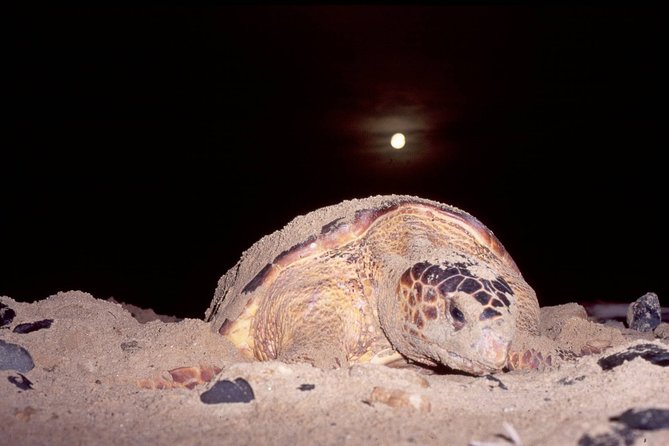
- Wild loggerhead turtles: Watch nesting behavior on a real beach, not in an aquarium or enclosure.
- Private from hotel to beach: Pickup and private transport are included for your group.
- A glamping tent by the sea: Begin with drinks, snacks, and a wildlife briefing in a private tent.
- Red lights and quiet rules: Guides use special red lights to reduce disturbance during observation.
- Guides with a conservation focus: Guides such as Leo, Luna, Marta, and Alex have led the educational and turtle-watching portions.
- A late, weather-dependent outing: The start time is about 10:20 p.m., and poor weather can lead to a new date or refund.
Why a nesting turtle is worth a late night
Santa Maria is known for sun, sand, and easy beach days. This outing shows you a different side of Sal. After sunset, the beach becomes a nesting ground, and the focus shifts from swimming and scenery to patience, darkness, and careful observation.
Loggerhead turtles do not arrive for a performance. A turtle may come out of the water, change direction, pause, or return to the sea before nesting. If one does begin laying, you may see the whole process: choosing a spot, making the nest, depositing eggs, covering them, and heading back toward the water.
That uncertainty is part of the value. You are not promised a staged encounter or a guaranteed close-up. You are given the chance to see an animal following its natural cycle, with the guides adjusting the observation to protect it.
I find this kind of wildlife experience more meaningful when the rules are clear. The introduction covers the turtle’s appearance, reproduction, habitat, diet, nesting process, and threats. It also explains how you must behave on the beach. This is not a place for loud voices, bright phone screens, touching, or trying to move closer for a better picture.
More Turtle Watching in Sal
- Turtle Watching Adventure
★ 5.0 · 98 reviews - Turtle Experience in Sal island
★ 4.0 · 5 reviews - Santa Maria: Sea Turtle Watching Experience on Sal Island
★ 4.6 · 446 reviews
The 10:20 p.m. pickup from Santa Maria

The evening begins with pickup at your hotel or accommodation in Santa Maria. Private transportation removes one of the usual headaches of a late-night outing. You do not need to find a remote beach in the dark, arrange a taxi after midnight, or worry about getting your group back.
The advertised start time is about 10:20 p.m., and the full experience lasts roughly three hours. Exact time on the beach can vary because the turtle activity itself cannot be controlled. Plan for a late return and keep the following morning light if you can.
This timing matters. The outing is designed around nesting activity, not convenience. You will not be squeezing turtle watching into a daytime sightseeing route. Instead, you travel out after dark, settle into a quiet beach setting, and wait for the natural event to unfold.
The private setup also suits couples, families, and small groups of friends. Only your group participates, so the guide can explain things at a pace that works for you. Families should still consider the late hour and the need for everyone to remain quiet and still near the turtles.
A private tent with drinks, snacks, and a useful briefing
At the beach, you first go to a glamping tent reserved for your group. This is more than a decorative waiting area. It gives the evening a clear starting point and provides a place to sit before the walk begins.
You receive drinks and snacks while the guide explains what you are about to see. The briefing covers the turtle’s life and the nesting process, but its most important job is setting boundaries. You learn how to watch without becoming part of the disturbance.
The tent is a practical touch, especially on a dark beach where you may otherwise spend the first part of the night standing around. It also gives children and older family members a place to rest before or after the walk. The supplied information does not promise beds or full overnight camping, so think of it as a private beach base rather than a hotel room.
Guides who have led this experience include Leo, Luna, Marta, and Alex. Their roles include explaining the biology and conservation issues, then guiding the group during the beach observation. The names are useful to know, but the specific guide assigned to your date is not guaranteed.
Walking beneath Sal’s stars with red lights
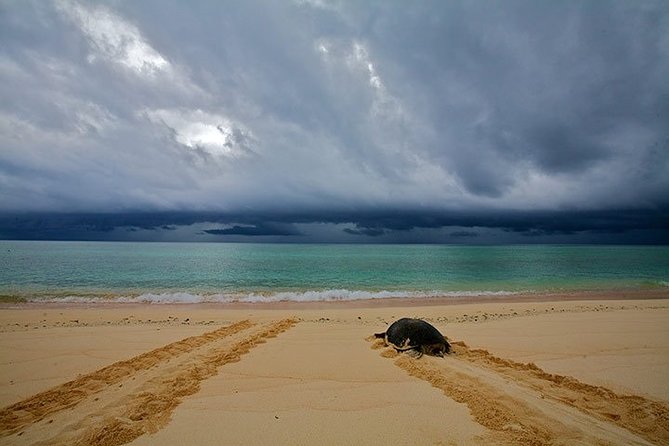
After the briefing, the group begins the turtle walk. You move onto the beach under the night sky, carrying or using special red lights supplied for the activity.
Red light is important here because ordinary white light can interfere with nesting turtles. You should still follow the guide’s instructions closely and avoid using your phone as a flashlight. The best approach is to let the guide manage the light and keep your own movements limited.
The darkness adds to the experience. One supplied account describes lying motionless in the sand while watching the eggs being laid. That image tells you what to expect better than any promise of an action-packed night. The reward comes from stillness.
You might also get a striking view of the sky while waiting. The beach’s darkness allows stars and planets to become part of the evening, though the turtle remains the main reason to come. If you dislike sitting quietly or waiting without knowing exactly when something will happen, this may feel slow.
When a turtle appears, the guide decides how close the group can be and where everyone should position themselves. You should never approach it independently. The goal is observation, not interaction, and the guide may ask you to freeze, lower your voice, or move back.
More turtle nights around Santa Maria:
- Boa Vista: Shark, Turtles, Cave, Sandboarding & Tasting Tour
★ 4.8 · 328 reviews - Santa Maria: Sal Island Sea Turtle Watching Experience
★ 4.5 · 256 reviews - Boavista: Turtle, Shark, Santa Monica, Sandboard & Tasting
★ 4.7 · 228 reviews - From Mindelo: São Vicente’s Enchanting Sea Turtle Snorkeling
★ 4.4 · 153 reviews
What you can actually see during nesting

The most special moment is usually the egg-laying itself. Once the turtle has chosen a place and begun the nesting process, you may see her deposit the eggs into the chamber. She then covers the nest with sand, often working with slow, deliberate movements before making her way back toward the water.
The experience description says you may witness loggerhead turtles laying eggs. It does not promise a particular number of turtles, a specific length of observation, or guaranteed egg-laying on every outing. That distinction matters. Wildlife is unpredictable, and responsible operators cannot force a turtle to appear.
The guides’ job is to help you understand what you are seeing without turning the event into a show. Their explanations give meaning to the movements. You learn why the turtle selects a place, how nesting fits into its life cycle, and what threats these animals face.
You also get a better sense of scale. An aquarium visit can show you a turtle’s shape and swimming style, but it cannot show the awkward crawl from sea to sand, the search for a nesting place, or the careful return to the surf. Here, the animal is in control.
Why the private format matters
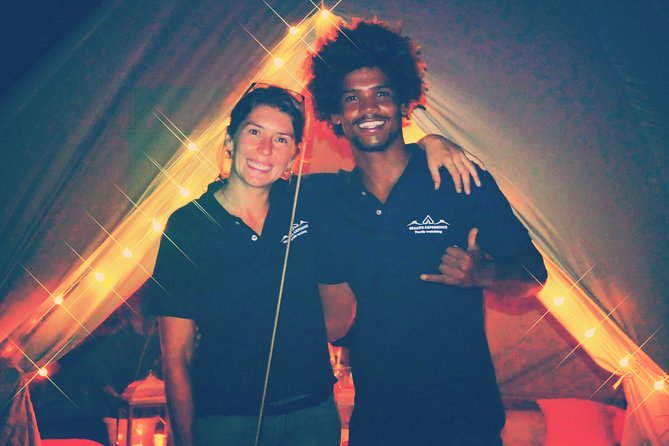
A private turtle experience costs $110.51 per person, which is not a small add-on to a beach holiday. The price makes more sense if you value privacy, hotel pickup, local guiding, and the conservation contribution.
You are paying for more than transport to a beach. The package includes a private group, a dedicated tent, drinks and snacks, a structured briefing, specialist red lights, and guided wildlife observation. The price also helps fund beach cleanups on Sal Island, giving the outing a direct connection to habitat protection.
A shared outing could cost less, but it might also mean more people, less control over noise, and less room for questions. The private format is particularly useful for a couple who wants a quiet evening, a family that needs flexibility, or friends who want the night to feel personal rather than crowded.
Still, I would not book it purely because it is private. The central value is the chance to see a wild turtle nesting respectfully. If you mainly want a guaranteed close encounter, a short activity, or a low-cost evening, this is probably not the right use of your money.
Group discounts are available, so the per-person cost may work better for a larger private party. Check the final rate for your group before booking.
The conservation rules are part of the experience
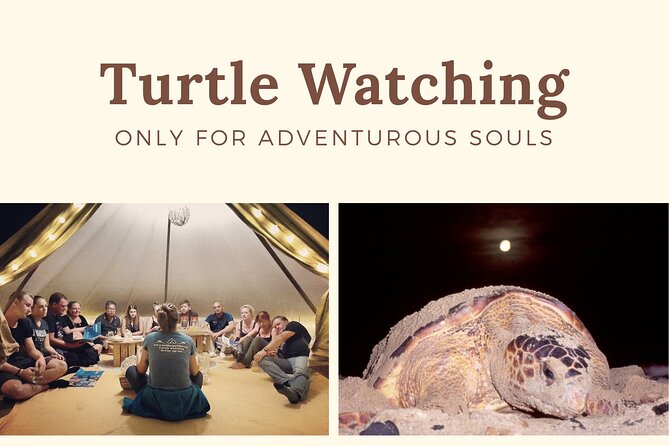
The best part of the operation is not just the tent or the transport. It is the effort to keep the turtle’s behavior undisturbed.
You are taught not to touch or interact with the animals. You watch from a controlled position and follow the guide’s instructions. The special lights and quiet approach are designed to reduce stress during one of the most vulnerable parts of the turtle’s cycle.
The beach cleanup contribution adds another useful layer. Sal’s beaches are not just scenery. They are nesting habitat, and litter can harm turtles and other sea life. Supporting cleanup work means your ticket helps with the place you are visiting, not only with the evening’s logistics.
That does not make the activity impact-free. Any human presence near a nesting beach has to be managed carefully. The responsible choice is to accept that the turtle’s welfare comes first, even if it means a shorter view, a change in position, or no close approach at all.
Who will enjoy this most
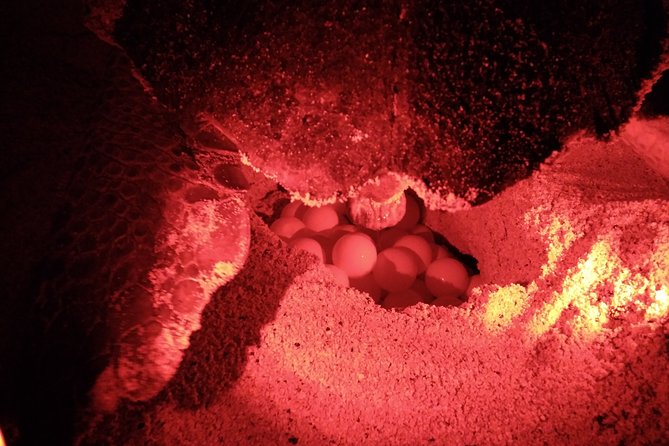
I would recommend this outing to anyone who enjoys nature, photography without demanding a perfect picture, and experiences that depend on patience. It is also a strong choice for couples looking for a memorable night that is not another restaurant meal or bar stop.
Families can enjoy it too. A private group makes the evening easier to manage, and the briefing gives children a clear reason for the rules. The late hour remains the main concern. Younger children may struggle with the 10:20 p.m. start and the possibility of waiting quietly on the beach.
The activity suits most people physically, according to the supplied participation information. Even so, you should be comfortable taking a nighttime beach walk and remaining still for periods of time. Details about specific mobility accommodations are not provided, so contact the operator before booking if you have access needs.
This is less suitable for anyone who expects constant activity, guaranteed sightings, or a chance to hold and photograph a turtle up close. The animals are wild, and the best outcome may involve watching from farther away than you first imagined.
What to bring and how to behave
Keep your packing simple. Wear clothing suitable for a late-night beach outing, and choose footwear you can use comfortably on sand. Bring only what you need, since the guide will provide the special lighting used for observation.
A few rules matter greatly:
- Keep your voice low.
- Follow the guide’s position and light instructions.
- Do not touch, chase, block, or feed a turtle.
- Do not use bright lights or camera flashes.
- Be ready to wait quietly.
- Treat the beach as nesting habitat, not a stage.
You may want a camera, but do not let photography take over. A blurry image from a respectful distance is better than a sharp image that causes the turtle to change direction or abandon the site.
Weather, cancellation, and booking timing
This activity depends on good weather. If poor conditions force a cancellation, you can receive a different date or a full refund. The same applies if the minimum number of participants is not met, with the choice of another date or experience, or a refund.
You can cancel for a full refund up to 24 hours before the local start time. Cancellations or changes made inside that 24-hour window are not accepted for a refund.
The experience is often booked about 154 days in advance, which suggests that you should not leave it until the last night of a short Sal holiday. Booking early is sensible if your dates are fixed, but leave room in your schedule when possible. A second evening gives you more flexibility if weather or availability causes a change.
Confirmation is sent within 48 hours of booking, subject to availability. Pickup is offered, and the experience is issued as a mobile ticket.
Should you book the Private Turtle Watching Experience?
Book it if you want a quiet, carefully guided chance to see loggerhead turtles in the wild, and if you value private transport and a personal setting. The tent, refreshments, red lights, conservation briefing, and beach cleanup contribution make the $110.51 price easier to justify for a special occasion.
I would also choose it over a casual turtle excursion if animal welfare is important to you. The emphasis is on watching without touching or interfering, and the guides explain why that matters.
Skip it if you need an early night, want a guaranteed sighting, or prefer a quick wildlife stop with little waiting. But if you can accept nature on its own terms, this is one of Sal’s more memorable evenings: a dark beach, a star-filled sky, and a wild turtle quietly continuing an ancient task.
FAQ
Where does the Private Turtle Watching Experience begin?
Pickup is offered from your hotel or accommodation in Santa Maria, Cape Verde.
What time does the experience start?
The stated start time is approximately 10:20 p.m.
How long does the turtle-watching activity last?
The experience lasts about three hours.
Is this a private activity?
Yes. Only your group participates in the activity.
What kind of turtle can I see?
The experience focuses on loggerhead sea turtles nesting and laying eggs in their natural habitat.
Are drinks and snacks included?
Yes. Drinks and snacks are provided in the private glamping tent during the introductory briefing.
What happens if the weather is poor?
If the experience is canceled because of poor weather, you can choose a different date or receive a full refund.
Newly listed around Santa Maria
- Secrets of Sal Island 4×4 Tour with Pedra da Lume Salt Lake★ 4.5 · 6 reviews
- 3-Hour Shark Bay and Salt Lakes in Sal Island Guided Tour★ 4.5 · 19 reviews
- Turtle Experience in Sal island★ 4.0 · 5 reviews
- Sal island: Private Santa Maria City Tour, Street Art and Tapas★ 5.0 · 6 reviews
- Small Group Full Day Island Tour in Sal★ 4.0 · 12 reviews
- Sal island: Espargos city tour, Local life and Cape Verde Tapas★ 4.5 · 22 reviews
- Sal Island: 3-Hour Private Tour with Floating in Salt lake & Shark Watching★ 5.0 · 8 reviews
- Private Full-Day Tour of Sal Island★ 5.0 · 10 reviews
Turtle Watching, compared.
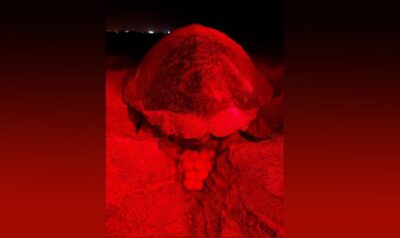

Shark, Turtles, Cave, Sandboarding & Tasting Tour
Read our review →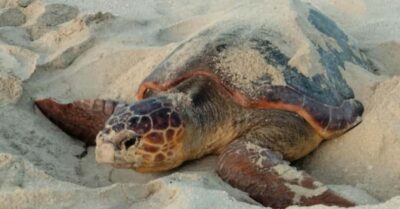
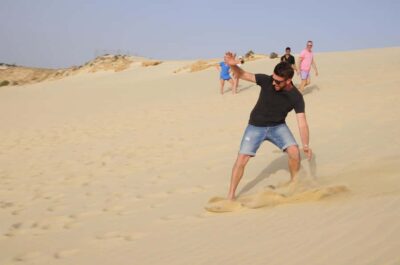
Turtle, Shark, Santa Monica, Sandboard & Tasting
Read our review →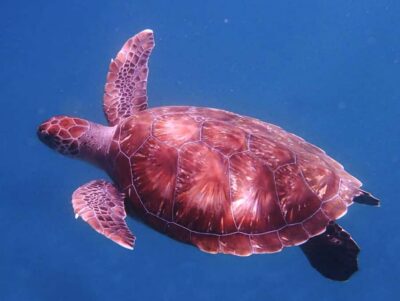
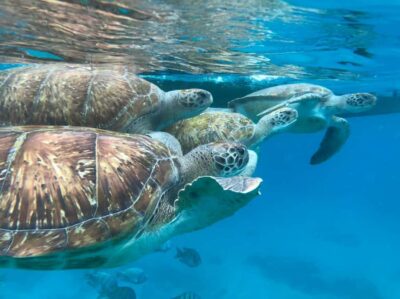

Beautiful Beaches, Turtles & Djeu Island Snorkel
Read our review →
Browse the lists this tour appears in