
Reviewed · TURTLE WATCHING
Santa Maria: Sal Island Sea Turtle Watching Experience
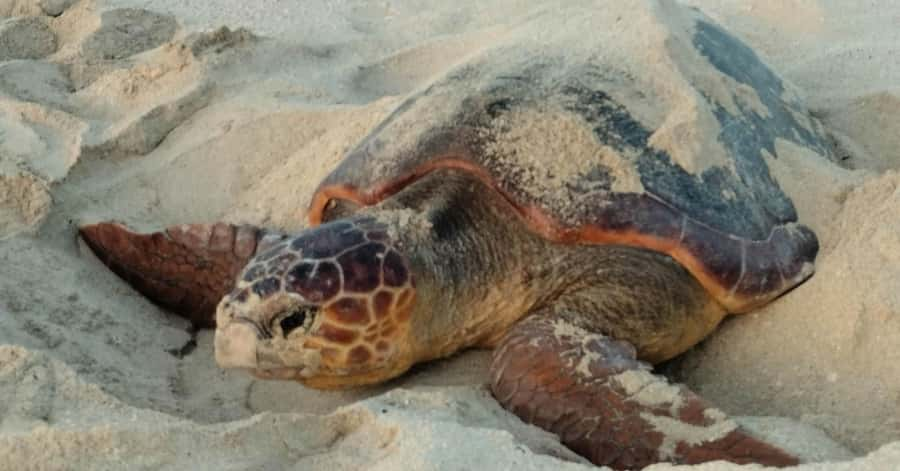
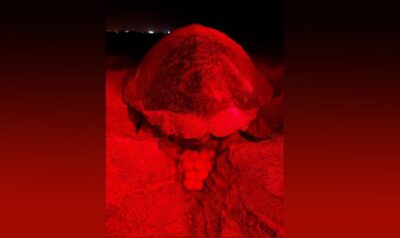
A mother turtle hauling herself onto a dark beach, laying eggs, covering the nest, and returning to the sea is the heart of this three-hour night outing. If timing is right, you may also see hatchlings break free and hurry toward the water under a sky full of stars.
I like the small groups, limited to 10 people, and the chance to speak with guides who care about turtle protection. I also like that transport from Santa Maria is included, which keeps the evening simple. The tradeoff is patience: you may wait an hour or more before anything happens, and sightings can never be promised.
Key points to know before booking
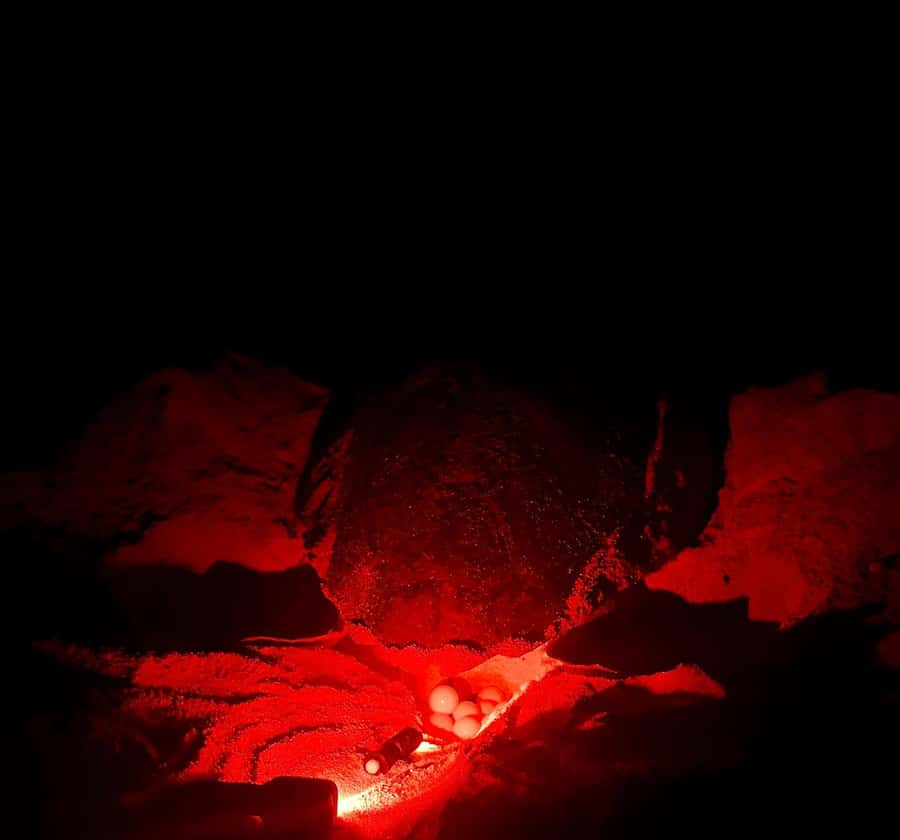
- Turtle nesting is the main event: You may see a mother lay eggs, cover the nest, and return to the sea.
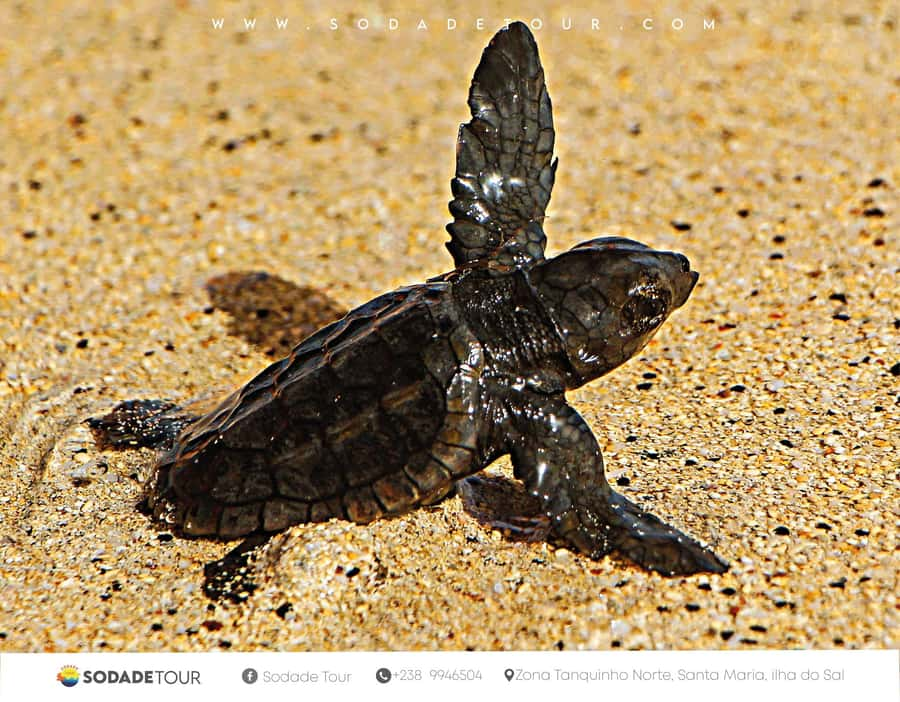
- Hatchlings are possible too: Several outings have included baby turtles making their first run to the water.
- Guides use red lights: Flash photography and white light are not allowed because they can disturb the animals.
- Small groups help: The maximum group size is 10, though several groups may be working along the beach.
- The waiting is real: Guides may search more than one beach site, and long quiet periods are part of the outing.
- The price is modest: At $37 per person, transport, a local guide, and an unusual wildlife encounter are included.
Why Sal is a major turtle-nesting place
Cape Verde’s sandy beaches are key nesting grounds for the common turtle, also called the yellow turtle. Three turtle species live in Cape Verde, but this is the species you are most likely to learn about and see during the outing.
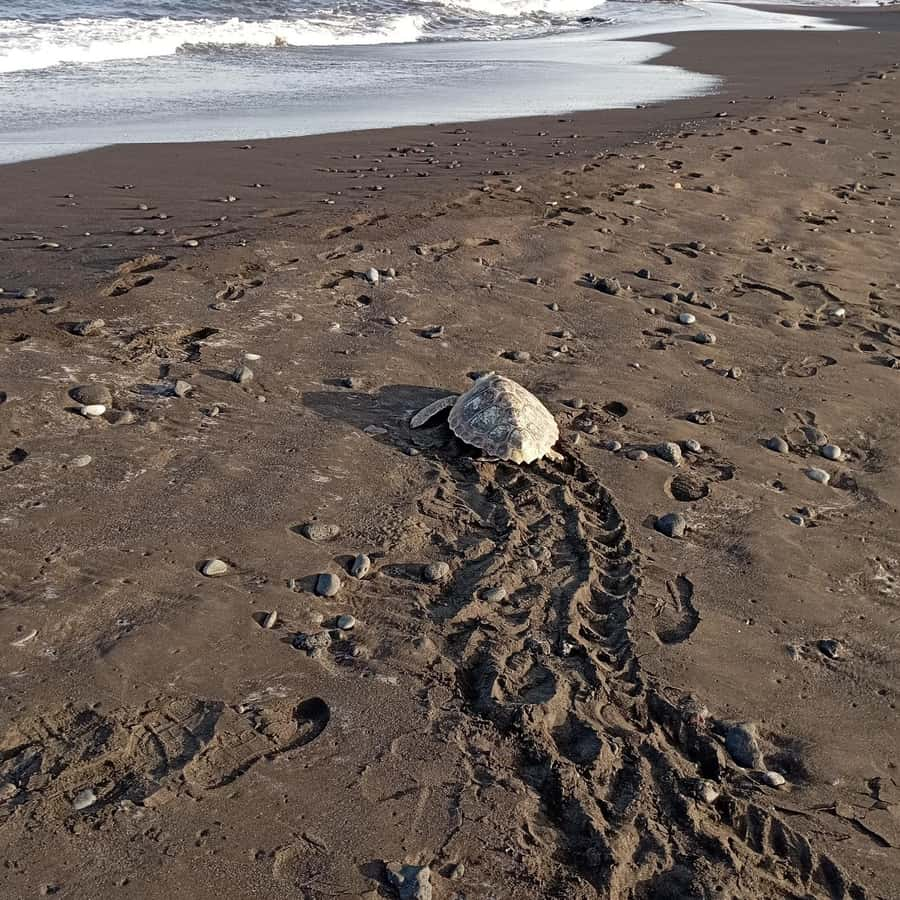
The turtle’s work is slow and careful. She comes out of the water, searches for a suitable place, digs a nest, lays her eggs, covers them with sand, and heads back toward the ocean. You do not simply watch an animal pass by. If the timing works, you see a complete piece of the nesting process.
That is also why this is not a standard wildlife show. The guides cannot call a turtle into view or guarantee a particular part of the process. You may see a mother nesting, hatchlings emerging, both, or nothing more than tracks and a quiet beach. I consider that uncertainty part of the bargain, but you should know it before booking.
The welfare of the turtles comes first. You must stay quiet, keep your distance, avoid touching the animals, and never use a flash. Those rules are not decoration. Bright light and noise can interrupt nesting or send a turtle back toward the sea before she has laid her eggs.
More Turtle Watching in Sal
- Sal: Turtle Nesting with professional local guide
★ 4.7 · 18 reviews - Watch Sea Turtles Nesting – Night Tour in Sal Island
★ 4.1 · 14 reviews - Santa Maria: Sea Turtle Watching Experience on Sal Island
★ 4.0 · 9 reviews
Leaving Santa Maria after dark
Pickup is provided from a long list of hotels and meeting points in Santa Maria. The supplied schedule gives both an 8 PM pickup and a general start time of 7 PM, so check the exact pickup time when you book. The activity is usually described as running from about 7 PM to 11 PM, even though the advertised duration is three hours.
You’ll travel in an air-conditioned vehicle. The drive to a beach generally takes less than an hour, and the ride matters more than it may seem. Sal’s turtle beaches are away from the bright streets and hotels of Santa Maria, so you need transport rather than an easy walk from town.
Pickup is handled at your accommodation reception. That is convenient, especially for a late-night outing, but be ready before the stated time. The tour may collect people from several hotels, including resorts around Santa Maria, so the vehicle can take time to complete its route.
Food and drinks are not included. Since the tour takes place at night and may involve a long wait, eat beforehand and bring water if needed. Alcohol is not allowed in the vehicle or on the activity.
The first beach stop: searching before seeing
The itinerary lists a guided period in Santa Maria of about 45 minutes, followed by roughly two hours at Kite Beach. In practice, the evening can involve checking one beach section, driving to another point, and then waiting while guides look for turtle activity.
This is where you need to reset your expectations. The guides may walk along the sand before bringing the group to a nesting site. At times, you might sit quietly with no action for more than an hour. One account describes the group waiting while guides searched, then moving on after hatchlings appeared. Another describes a short transfer to a second site for the egg-laying turtle.
That waiting can feel poorly explained if nobody tells you what is happening. I would ask the guide at the start how the search will work and how the group will be divided by language. The guides speak Portuguese, English, French, and Italian, and multilingual groups may be split so each person receives instructions in a suitable language.
The quiet has a reward. Away from town, the lack of lights makes the stars part of the evening. One account specifically praised the night sky, even though the turtle sighting did not fill every minute of the advertised duration.
Kite Beach and the careful approach
Kite Beach is listed as the main two-hour guided stop. The exact viewing point can change because the guides must follow the turtles rather than a fixed schedule. You may spend time walking along the beach, waiting for movement near the waterline, or sitting in place after a turtle has begun nesting.
The guides use red lights so the animals are not distracted by harsh white beams. You should bring a camera if you like, but leave the flash switched off. The rules also prohibit touching the animals, littering, smoking, and the use of alcohol or drugs.
When a turtle begins laying, the group is expected to sit and remain as silent as possible. This is not the moment for a close selfie or a whispered conversation beside the animal. The best viewing comes from letting the turtle carry on with her work while the guide explains what is happening.
You may see a turtle emerge from the water, settle into position, and begin to lay. Afterward, she covers the nest with sand and returns to the sea. Guides explain the animal’s development, physical traits, nesting behavior, and the reasons conservation matters on Sal.
More turtle nights around Santa Maria Cape Verde:
- Santa Maria: Sea Turtle Watching Experience on Sal Island
★ 4.6 · 446 reviews - Boa Vista: Shark, Turtles, Cave, Sandboarding & Tasting Tour
★ 4.8 · 328 reviews - Boavista: Turtle, Shark, Santa Monica, Sandboard & Tasting
★ 4.7 · 228 reviews - From Mindelo: São Vicente’s Enchanting Sea Turtle Snorkeling
★ 4.4 · 153 reviews
Hatchlings, mothers, or both
The most highly praised part of this outing is the chance to see the full sequence. Several accounts describe a mother laying eggs and returning to the ocean. Others include hatchlings emerging from the sand and making their way to the water.
A hatchling sighting is very different from an adult nesting sighting. Baby turtles move quickly, and the group must avoid blocking their path or shining light toward the sea. The scene can last only a short time, so follow the guide’s instructions closely.
Seeing both events in one evening depends entirely on nature. You might first watch hatchlings leave a nest, then move to another site where an adult is laying. One account describes exactly that pattern. Another describes a long wait before baby turtles appeared, followed by a mother turtle at a separate location.
This is why I would not book the outing as if it were a guaranteed show. Book it because the possibility of witnessing a rare natural event is worth several quiet stretches in the sand. If you need constant activity, the evening may feel slow.
The guides make the difference
The guides are trained local professionals, and conservation is central to their work. The most useful part of their role is not only identifying a turtle. They manage the group, control light, explain the nesting process, and decide how close people can safely sit.
Several guides are named in the available feedback. Johnny Cash led one multilingual group and built a good connection with the people around him. Sousa and his daughter were described as careful with the turtles and attentive to the group. Anastassi Salsa was singled out for clear information and concern for the animals.
You may not have one of those exact guides, but the operation is designed around local guides who speak several languages. If English is your only language in a mixed group, tell the guide early. The language groups may be divided, which helps prevent important instructions from getting lost.
One weakness is that explanations may come after the first sighting rather than before it. If you want context while you wait, ask questions at the beginning. A simple request for an explanation of the nesting stages can make the quiet period feel more purposeful.
What $37 buys you
At $37 per person, this is one of the lower-cost turtle-watching choices available around Sal. The fee includes hotel transfer, fuel, taxes, service charges, and a professional local guide. You are paying for access to remote beach areas, transport at night, and an organized conservation-focused visit.
That is good value if you see a nesting turtle or hatchlings. It is still a fair price if the guide conducts a serious search and the animals remain hidden, though you may feel differently after a long wait with limited communication.
The small group limit of 10 helps. A smaller group makes it easier to sit quietly and gives the guide more control over light and movement. However, a few separate groups may reach the same beach area, so the total number of people nearby can be larger than 10. One account felt there were slightly too many people, although the guides worked to give the turtles room.
There is no meal, drink, or special equipment included. That keeps the price down, but you should treat the outing as a simple wildlife trip rather than a polished evening entertainment package.
What to wear and bring
Wear comfortable clothes and shoes suitable for walking on sand. The beach is visited at night, and you may stand or sit outside while waiting, so practical clothing matters more than dressing for the resort.
Bring a camera, but do not use flash. Biodegradable sunscreen and biodegradable insect repellent are requested. A garbage bag is also on the recommended packing list, which fits the strict no-littering rule.
I would bring only what you need. Baby strollers are not allowed, and electric wheelchairs are not suitable for the activity. The outing is not suitable for wheelchair users or people with visual impairments.
The basic rules are worth repeating:
- Do not touch the turtles.
- Do not use flash photography.
- Do not smoke in the vehicle or indoors.
- Do not bring alcoholic drinks into the vehicle.
- Do not litter.
- Do not bring prohibited substances or explosive materials.
These restrictions protect the animals and make the night safer for everyone.
Who will enjoy this evening
I recommend this outing to anyone interested in wildlife, conservation, and unusual experiences that depend on nature. It suits couples, families with older children, and solo visitors who are comfortable sitting quietly for long periods.
It is especially good for you if you want to understand the nesting process rather than simply take a quick photograph. The guides explain the turtles’ evolution, characteristics, and behavior, and you get a better sense of why Sal works to protect its nesting beaches.
You should think twice if you dislike uncertainty, walking on sand, late returns, or long periods with nothing to watch. The outing may start around 7 PM or involve an 8 PM pickup and can finish near 11 PM. Exact timing depends on the route, beach activity, and hotel transfers.
It is also not the right choice if you need wheelchair access or visual assistance. The activity depends on seeing movement in low light and following guides along a beach.
Booking, cancellations, and the final call
You can cancel up to 24 hours before the activity for a full refund, and a reserve-now, pay-later option is available. Those terms are useful because turtle activity and your own holiday plans can change.
I would book this tour if you want a reasonably priced chance to see one of nature’s most unusual beach rituals and you can accept that the animals set the schedule. The strongest possible evening includes hatchlings heading to the sea, a mother laying eggs, and guides explaining the process without disturbing either.
I would skip it only if you need a guaranteed sighting or a tightly timed activity. For everyone else, the $37 price, included transport, small group, multilingual guides, and strong conservation rules make this a sensible Santa Maria choice. Bring patience, leave the flash at home, and let the quiet beach do some of the work.
FAQ
How long does the sea turtle tour last?
The advertised duration is three hours. The activity information also says it usually starts around 7 PM and ends around 11 PM, while pickup details mention an 8 PM collection time. Check the exact start time when booking.
Where does pickup take place?
Pickup is included from accommodation reception at many hotels and meeting points in Santa Maria. Listed options include Hotel Morabeza, Hotel Riu Funana, Hilton Cabo Verde Sal Resort, Meliá Dunas, Hotel Sobrado, Santa Maria Beach, and other locations in the area.
How many people are in the group?
The small-group limit is 10 participants. Other groups may be working nearby on the beach, so the total number of people in the area can sometimes be higher.
Which languages are available?
Live guiding is available in Portuguese, English, French, and Italian. Groups may be divided by language so the guides can give clearer explanations.
Will I definitely see a turtle?
No. Turtle activity depends on nature, and you may need to wait while guides search different beach areas. You might see a nesting mother, hatchlings, both, or no turtles during the visit.
Can I take photographs?
You can bring a camera, but flash photography is not allowed. The guides use red lights to avoid disturbing the turtles.
What is included in the price?
The $37 price includes a professional local guide, transfer from your hotel, fuel, taxes, and service charges. Food and drinks are not included.
Is the activity suitable for wheelchair users?
No. The activity is not suitable for wheelchair users or people with visual impairments. Baby strollers and electric wheelchairs are also not allowed.
Newly listed around Santa Maria Cape Verde
- Watch Sea Turtles Nesting – Night Tour in Sal Island★ 4.1 · 14 reviews
- Half Day 4×4 Tour with Viana Desert and Villages★ 4.1 · 8 reviews
- Santa Maria: Half-Day Diving Trip in Sal with Pickup★ 4.7 · 6 reviews
- Santa Maria: Sea Turtle Watching Experience on Sal Island★ 4.0 · 9 reviews
- Santa Maria: Scenic Segway Tour with Guide★ 4.7 · 11 reviews
- Santa Maria Half Day or Full Day Car Rental, Pedra de Lume★ 3.6 · 8 reviews
- Sal: Small Group Island Tour & Lunch with a Local Family★ 4.4 · 3 reviews
- Sal: Turtle Nesting with professional local guide★ 4.7 · 18 reviews
Turtle Watching, compared.

Shark, Turtles, Cave, Sandboarding & Tasting Tour
Read our review →
Turtle, Shark, Santa Monica, Sandboard & Tasting
Read our review →

Beautiful Beaches, Turtles & Djeu Island Snorkel
Read our review →

Browse the lists this tour appears in