
Reviewed · CAPE VERDEAN FOOD
Sal Island: Catxupa Cooking Class with a local family
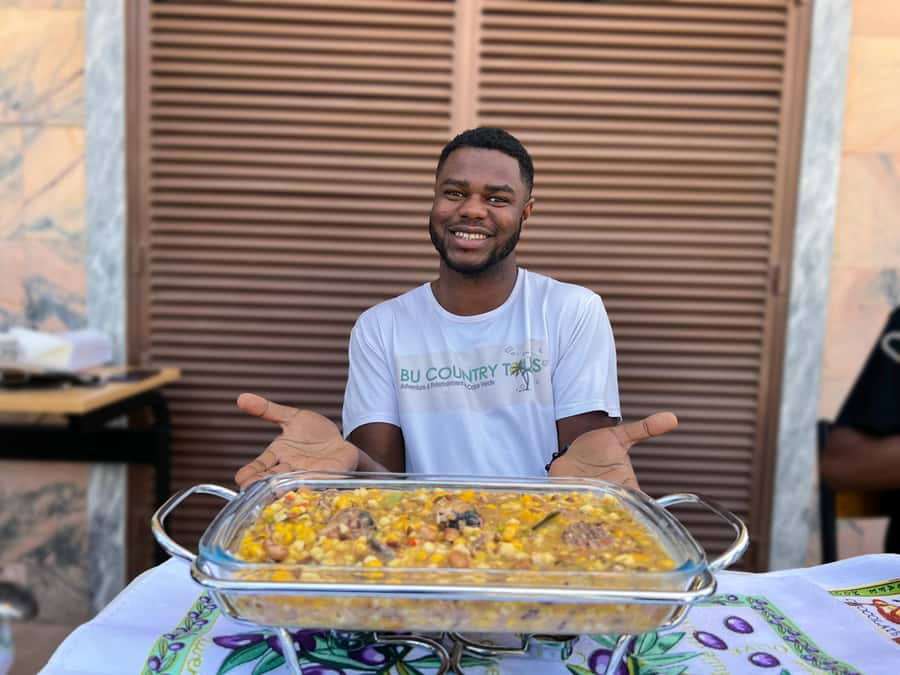
Catxupa is more than a plate of corn, beans, and meat or fish. It is everyday Cape Verdean food, the kind of dish that lets you understand a place through its kitchen and the people who make it. This two-hour visit brings you into a local family setting to prepare and eat it together.
I like two things here: the personal welcome from hosts such as Melissa and Alejandro, and the practical recipe you can try at home. You may also hear stories about Cape Verde and enjoy a little dance lesson. The main consideration is time: two hours gives you a taste of family life, not a long cooking course with many different dishes.
Key points to know before booking
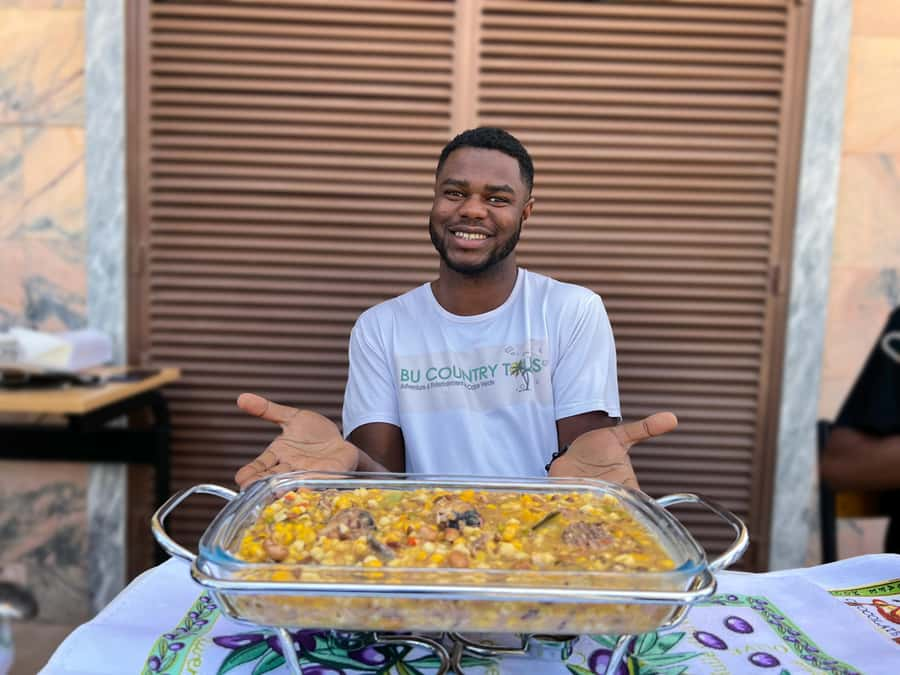
- Catxupa is the main event: You prepare Cape Verde’s best-known dish with corn, beans, and your choice of meat or fish.
- You meet a local family: The focus is personal contact and hospitality, not a formal restaurant kitchen.
- Melissa and Alejandro may lead the experience: Both received specific praise for being welcoming and professional.
- The cultural side goes beyond food: Expect stories about Cape Verde, and possibly a short dance lesson.
- The group is limited to 10 people: That keeps the activity more personal than a large food tour.
- Pickup and the meal are included: You are collected from your hotel and returned after the two-hour session.
Why Catxupa is the right dish to learn on Sal
Catxupa gives you a useful introduction to Cape Verdean food because it combines simple, filling ingredients in one pot. Corn and beans provide the base, while meat or fish adds the main protein. The result is hearty rather than fussy, and the recipe is realistic for a home kitchen.
That matters when you book a cooking class abroad. Some classes teach a dish that requires specialist equipment or ingredients you cannot find again. Catxupa is different. You will learn a recipe built around straightforward ingredients, so the memory can follow you home instead of ending when the plate is cleared.
The dish also has a place in ordinary Cape Verdean life. You are not being shown a decorative restaurant version made only for visitors. You are learning food connected to daily cooking and family tradition. That makes the class more meaningful than simply ordering a local meal.
The experience includes all the ingredients, a local cook, and the meal you prepare. You do not need to organize a market visit or bring supplies. The short format keeps the focus on the dish and the people around the table.
More cachupa, cuscuz and local tables on Cape Verde:
- Sal: Espargos City Tour, Local Life, and Cape Verde Tapas
★ 4.7 · 200 reviews - From Praia: Banana Plantation Tour and Cuscuz Workshop
★ 4.8 · 75 reviews - Mindelo: creol cooking with Catia
★ 4.8 · 70 reviews
Meeting a Cape Verdean family instead of sitting in a restaurant
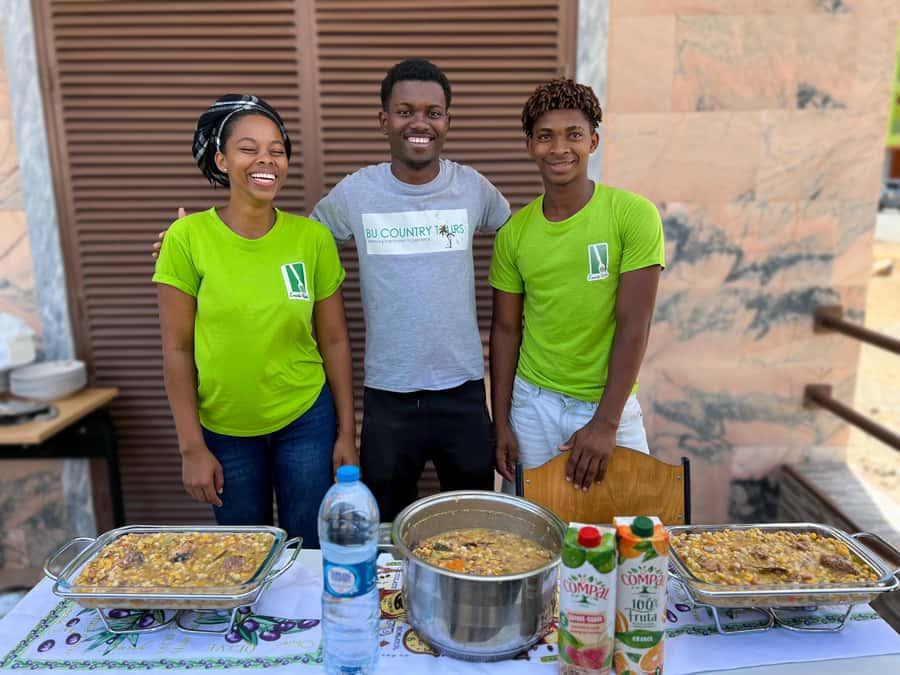
The most valuable part of this activity is the setting. You visit a local family rather than taking a standard demonstration in a commercial kitchen. That changes the tone from watching a performance to sharing an ordinary part of home life.
You will have a chance to work with the local cook, ask questions, and hear how Catxupa fits into Cape Verdean culture. The experience is designed around hospitality, so the welcome matters as much as the cooking steps.
Melissa is noted for being warm and professional, while Alejandro is praised for guiding the activity well. The exact host may depend on the day, but these names give you a useful sense of the personal approach. You should expect a guide who helps you follow the process and explains the cultural background in English, French, or Portuguese.
The family setting can also make the class feel less polished than a hotel kitchen. That is not a flaw if you want contact with local life. If you prefer a highly structured cooking school with printed menus, timed stations, and several courses, this will feel more informal.
What happens during the two-hour visit
The activity begins with hotel pickup on Sal. You are asked to wait in the hotel lobby 10 minutes before the scheduled time, which is a small but important detail. Keep your phone nearby and be ready early, since the transfer is part of a short experience and a late start leaves less time for cooking.
Once you arrive, the family welcome sets the tone. You will meet the local cook and receive the ingredients needed for Catxupa. The available information does not give a detailed minute-by-minute schedule, so the pace may vary, but the visit is built around preparing, cooking, and eating the dish.
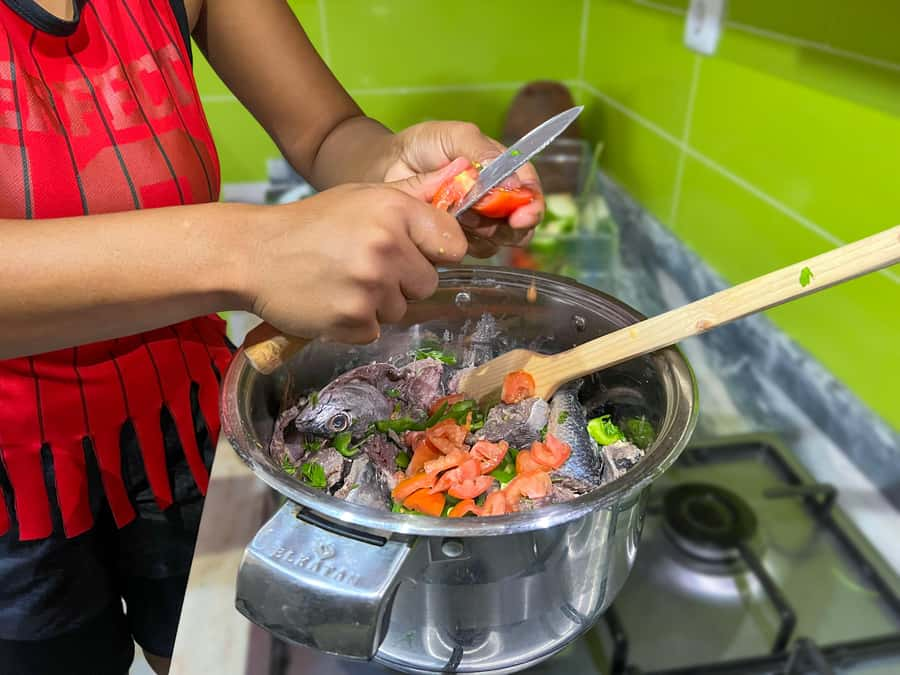
The hands-on part is the heart of the session. You learn how the corn, beans, and meat or fish come together, rather than simply watching someone else cook. That makes it easier to remember the method and repeat it at home.
As the food cooks, the visit may include conversation about Cape Verdean history and culture. One particularly nice touch is the possibility of a short dance lesson. It adds a little movement and humor to the meal, though you should treat it as part of the social experience rather than a separate dance class.
The final stage is eating the Catxupa you helped prepare. This gives you a clear sense of the dish as a complete meal, not just a list of ingredients. Afterward, you are taken back to your accommodation.
The cultural value goes beyond the recipe
A cooking class can be a useful way to learn about a country because food brings abstract ideas down to earth. Instead of hearing only general facts about Cape Verde, you connect those ideas to a meal, a family, and the work involved in preparing it.
The cultural conversation is an important part of this experience. You can hear about Cape Verde while doing something practical with your hands. That combination tends to stay with you longer than a short talk delivered while you sit quietly.
The dance lesson, when included, adds another glimpse of local culture. It is a small feature, but it helps the visit feel social rather than purely instructional. You are not just learning how to follow a recipe. You are sharing time with people who want to introduce you to their way of life.
I also like that the class does not treat food as a souvenir. You eat the dish during the visit, then take the knowledge home. The recipe becomes a link between your time on Sal and your own kitchen.
Still, keep your expectations sensible. Two hours is enough for a friendly introduction, a recipe, and a meal. It is not enough for a full study of Cape Verdean cuisine, regional differences, or a long visit with several families.
A few more Cape Verde trips worth comparing
- Surf Lessons
★ 5.0 · 60 reviews - Sal: Surf Lesson
★ 4.7 · 48 reviews - Sal: Kizomba Group Class – Santa Maria, Cape Verde
★ 4.5 · 28 reviews - Kite Surf Lessons on Sal Island
★ 5.0 · 17 reviews
How personal is a small group of up to 10?
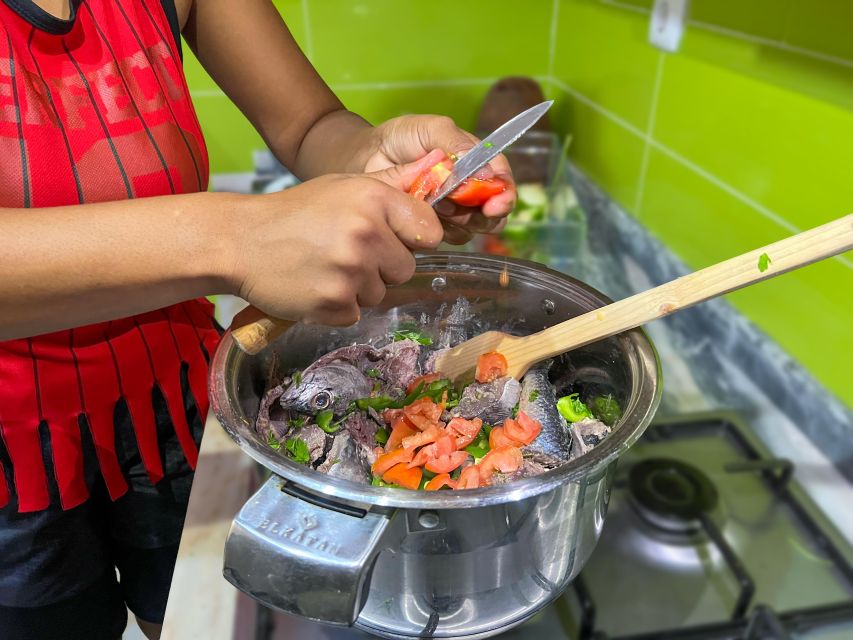
The group limit is 10 people. That is small enough to keep the activity more personal than a large coach excursion, while still allowing the family to host several people at once.
Group size affects the cooking itself. With fewer participants, you should have a better chance to see what is happening, ask questions, and take part in the preparation. A group of 10 is not private, however, so couples seeking a completely one-to-one meal should check the booking details before paying.
The social side may be part of the fun. You can compare the dish with other people, share the meal, and enjoy the relaxed atmosphere together. If you are traveling alone, this type of activity can also provide an easy setting for meeting others without the awkwardness of a formal group tour.
The guide languages are English, French, and Portuguese. Choose the language that lets you ask the most questions. Good communication matters here because the cooking instructions and cultural stories are central to the value.
Is $41 good value for Sal?
At $41 per person, the price covers more than a meal. It includes hotel pickup and drop-off, all Catxupa ingredients, a local cook, the food you prepare, and the family-based learning experience.
I see the value in the combination. If you paid only for a plate of Catxupa, the price would be harder to judge. Here, you are also paying for transport, instruction, cultural context, and time with a local household. The recipe gives the experience a lasting benefit that a restaurant meal does not.
The two-hour duration keeps the price reasonable for someone who wants a short activity between beach time and sightseeing. It is especially useful on Sal, where you may be balancing a relaxed holiday schedule with a desire to do something more connected to local life.
The value is weaker if you already have several food-focused activities planned, or if you want a long class with many dishes. You are learning one main recipe, not a complete Cape Verdean menu. For most people, though, one well-chosen local dish is more useful than a rushed class covering five recipes.
The price also includes return transport, which removes the need to arrange your own way to and from the family home. That is helpful if you are unfamiliar with Sal or simply want the activity to stay easy.
What the strongest parts of the experience are
The welcome is a major strength. The feedback connected to the activity repeatedly highlights the warmth of the hosts, with Melissa described as both welcoming and professional and Alejandro praised as an excellent guide. That balance is important: friendliness makes the visit comfortable, while clear guidance keeps the cooking on track.
The food itself also earns strong marks. Catxupa is described as delicious, and that makes sense as the class ends with the meal you helped produce. You get both the satisfaction of making something and the chance to judge the finished dish.
The cultural content is another reason to book. The experience can include stories about Cape Verde and a short dance lesson, giving the visit more range than a basic cooking demonstration. It feels like a compact introduction to food, family, and local customs.
The overall rating is 4.7 from 72 reviews, which supports the view that the activity delivers a consistently positive experience. A small number of people may have different expectations, and the four-star feedback suggests it is not perfect for everyone, but the general picture is strong.
Who will enjoy this Catxupa class most?
I would recommend this activity to you if you want a personal experience that fits into a short holiday schedule. It suits couples, families, solo visitors, and small groups who would rather share a meal in a home setting than sit in another hotel restaurant.
It is also a good choice if you like taking practical memories home. You will not just remember the taste of Catxupa. You will have a recipe and an understanding of how the dish is put together.
Food lovers should enjoy the chance to learn one of Cape Verde’s best-known dishes from a local cook. You do not need advanced kitchen skills, since the focus is on participation and explanation rather than professional technique.
The activity may be less suitable if you want a broad cooking curriculum. There is no indication of several dishes, a market tour, or a long lesson on culinary theory. You should book it for the family contact and the Catxupa experience, not because you expect a full-day food school.
It is also worth considering your language needs. English, French, and Portuguese are offered, so you have useful options. If you need another language, the available information does not confirm that support.
Practical details that make the visit easier
The class lasts two hours, and starting times depend on availability. Check the schedule before booking, especially if you have a flight, another tour, or a fixed dinner reservation later in the day.
Hotel pickup and drop-off are included. Wait in your hotel lobby 10 minutes before pickup, not in your room or at a distant meeting point. This simple step helps protect the cooking time and avoids a rushed start.
The activity has a separate entrance and a small-group format. The separate entrance is listed as a skip-the-line feature, though the main value here is not queue avoidance. The useful point is that you are entering directly into the arranged cooking experience rather than dealing with a large public attraction.
You can cancel up to 24 hours in advance for a full refund. You can also reserve now and pay later, which is handy if your Sal plans are not fully settled.
The available details do not specify the exact accommodation pickup area, the precise menu choice between meat or fish, or any dietary options. If those points matter to you, ask before booking rather than assuming they are available.
Should you book the Sal Catxupa experience?
Book it if you want local contact, a shared meal, and one recipe you can repeat at home. The strongest reasons are the family setting, the friendly guidance associated with Melissa and Alejandro, and the chance to learn about Cape Verde through food rather than through a standard sightseeing talk.
At $41, the activity offers fair value because transport, ingredients, instruction, and the meal are included. The 4.7 rating from 72 reviews also points to a dependable experience, especially for people who value hospitality and cultural exchange.
Skip it if you want a long, technical cooking course or a wide selection of dishes. This is a short, focused visit built around Catxupa. For most visitors looking to add a genuine human moment to a stay on Sal, that narrow focus is exactly its strength.
FAQ
Where does this Catxupa cooking experience take place?
The experience takes place in Sal, Cape Verde, with a local family.
How long does the cooking class last?
The activity lasts two hours.
How much does the experience cost?
The listed price is $41 per person.
What dish will I learn to cook?
You will learn to prepare Catxupa, a well-known Cape Verdean dish made with corn, beans, and your choice of meat or fish.
Is a meal included?
Yes. The local cook and meal are included, and you eat the Catxupa prepared during the experience.
Are ingredients included?
Yes. All ingredients needed for the Catxupa are included.
Is hotel transportation provided?
Yes. Hotel pickup and drop-off are included.
How early should I wait for pickup?
You should wait in the hotel lobby 10 minutes before your scheduled pickup time.
What languages are available?
The activity is available in English, French, and Portuguese.
How many people can join the group?
The activity is offered as a small group with a maximum of 10 participants.
Can I cancel for a refund?
Yes. You can cancel up to 24 hours in advance for a full refund.
Can I reserve now and pay later?
Yes. The reserve-now-and-pay-later option lets you book without paying at the time of reservation.
Newly listed around Cape Verde
- Turtle watching in Boa Vista Island★ 4.8 · 5 reviews
- Watch Sea Turtles Nesting – Night Tour in Sal Island★ 4.1 · 14 reviews
- Island tour & cattle & Taste local flavors★ 5.0 · 3 reviews
- São Vicente: Half day, Beaches, Villages, Monte Verde★ 5.0 · 5 reviews
- Hike Monte Verde, Natural Park, São Vicente, 3h +/- (roundtrip)★ 4.5 · 4 reviews
- Volunteering with animals in Sao Vicente!★ 5.0 · 9 reviews
- 2. Nature, History of FOGO and relaxation at the natural pool of Salinas★ 4.0 · 4 reviews
- Sunset Hike to Lighthouse, Dona Amélia, São Vicente, 2h★ 5.0 · 8 reviews
Cape Verdean Food, compared.
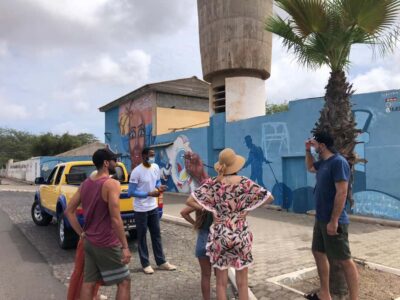
Espargos City Tour, Local Life, and Cape Verde Tapas
Read our review →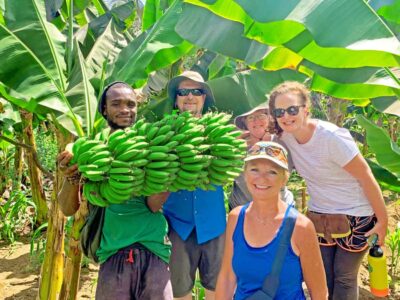
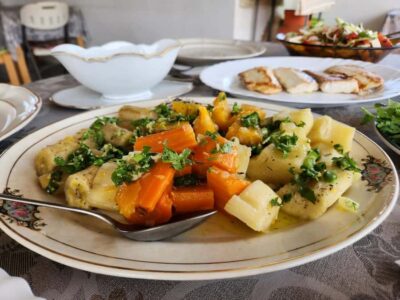

Santa Maria City Tour & Cuscuz Tasting with a Local Family
Read our review →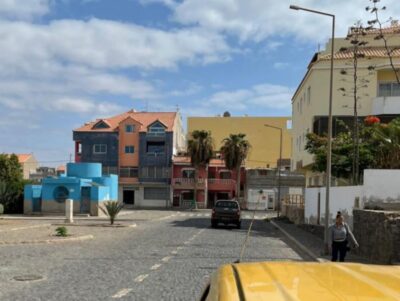
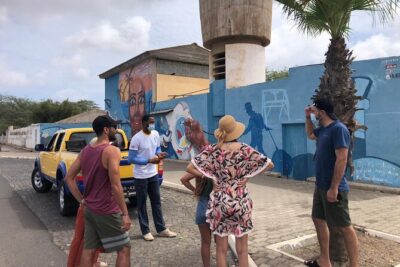
Espargos city tour, Local life and Cape Verde Tapas
Read our review →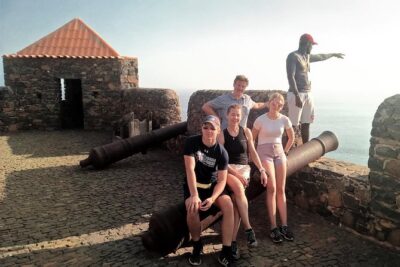
Like Locals: Praia and Cidade Velha Tour + Local Pontxi Tasting
Read our review →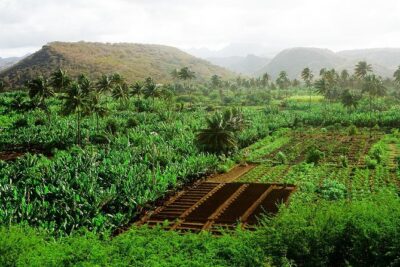
Like Locals: Banana Plantation, and Cuscuz with locals
Read our review →Browse the lists this tour appears in