
Reviewed · SANTIAGO TOURS
Cape Verde: Best Hikking Trails of Santiago Island – 6 Days
Santiago Island is Cape Verde at its most varied. In six days, you move from Praia’s colonial center to sugar-cane valleys, high mountain trails, old slave-trade sites, village markets, and Tarrafal’s white beach. The trip is less about checking off sights and more about seeing how people live across one rugged island.
I especially like the small private group, capped at six, and the way transport, lodging, entrance fees, and airport transfers are handled for you. I also like the mix of serious walking and local encounters, from a rum-making farm to the Rabelados community. The main caution is that Pico de Antónia is a genuinely difficult hike, while some schedule details and overnight locations should be confirmed before you pay.
Key points to know before booking
- Pico de Antónia is the demanding day: Expect 4 to 5 hours of walking, about 672 meters of ascent, narrow paths, and a difficult rating.
- Cidade Velha adds real historical depth: You visit the former slave market, old cathedral ruins, churches, convents, and the Royal Fortress of São Filipe.
- The group stays very small: A maximum of six people makes private transfers and flexible attention much easier.
- Tarrafal gives you breathing room: Day five is largely free for the beach, a swim, or a visit to the former Chão Bom prison camp.
- Meals are partly included, not all-inclusive: Five breakfasts and four lunches are provided, while some dinners and personal meals are yours to arrange.
- The route changes with the calendar: Assomada Market is visited only on Wednesdays and Saturdays, and rum production runs from January through May.
Why this six-day Santiago route works
Many Cape Verde trips concentrate on beaches. This one gives you a better sense of Santiago as a whole. You see dry coastal areas, cooler uplands, agricultural valleys, old fortifications, fishing-town beaches, and the capital’s markets and music.
The practical side is strong. A representative meets you at Nelson Mandela International Airport with a sign bearing your name, then takes you directly to your accommodation. Airport transfers, luggage transfers, daily hotel pickups, and the return to the airport are included. That matters on Santiago, where moving between mountain villages and coast takes time and public transport would make this plan harder to manage.
The tour is private, but not necessarily exclusive to one person or one family. The maximum group size is six. That is small enough for a guide to keep an eye on the walking pace, but you should still ask in advance whether your booking will be entirely private.
The package costs $1,102.91 per person. At first glance, that is not a budget independent trip. But the price includes five nights of accommodation, five breakfasts, four lunches, transport, airport service, entrance fees, and local assistance around the clock. If you want to arrange every transfer and hotel yourself, you may spend less. If you value convenience and a guide who can connect the places, the package offers solid value.
Trips people pair with this one on Praia:
- Santiago: Landscapes, Street Art, and Markets Day Trip
★ 4.8 · 316 reviews - From Port of Praia: Island Tour for Cruise Ship passengers
★ 4.5 · 190 reviews - Praia & Cidade Velha: Guided City Tour
★ 4.8 · 80 reviews
Day 1: A simple arrival in Praia
The first day is intentionally light. After meeting your airport representative, you take a short private transfer to your accommodation in Praia. The stated airport welcome and transfer each take about 15 to 20 minutes, depending on the exact location of your lodging.
This is useful after an international flight. You do not need to negotiate a taxi, find an office, or work out the next morning’s pickup. The representative also provides information about your stay.
Do not expect sightseeing on arrival day. Think of it as a soft landing before the walking begins. Your accommodation is described as being in Praia, but the exact hotel class and property are not specified. Hotels may be replaced with one of similar class if needed, so confirm the names and locations before departure.
Day 2: Calabaceira Valley and the old city of Cidade Velha
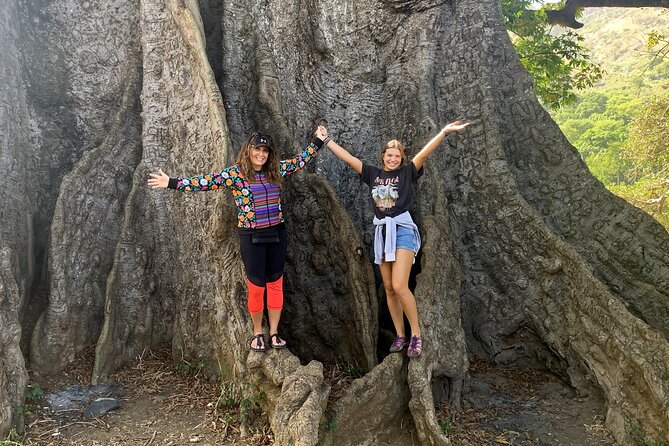
The first proper outing begins with a drive from Praia to Calabaceira. The hike follows a valley with thick plant growth and large baobab trees. The route is connected with Charles Darwin’s visit to the island and with escape routes used by enslaved people during the period of slavery.
The walk is rated easy, with roughly 300 meters of ascent and descent. The route file gives an extension of about 4.5 kilometers and around two hours of walking, while the day’s description calls the hike three hours. Plan for a relaxed two to three hours on foot rather than treating either figure as exact.
The path is narrow at the start and has a moderate tilt, but it is described as safe. You will pass agricultural plots with sugar cane, mangoes, cassava, bananas, and other crops. The stop at a local rum-making distillery adds a useful human element. This is not simply a forest walk. You get to see how farming supports daily life and how sugar cane becomes a local drink.
Timing matters here. Rum production runs from January 1 through May 31. Outside that season, you may see the setting and learn about the process, but you should not expect active production.
After the hike, you continue to Cidade Velha, the UNESCO-listed old capital. The first visit includes São Francisco Convent, Banana Street, and Nossa Senhora do Rosário Church. You also have lunch in a typical restaurant by the sea, with a fish, meat, or main dish, dessert, and water included.
The afternoon continues at the Pelourinho, the former slave market, followed by the ruins of Sé Cathedral and the Royal Fortress of São Filipe. From the fortress, you get broad views over the old town and the coast. The visit gives you a clear picture of why this settlement mattered: it was a major Atlantic port and needed defenses against pirate attacks.
I like this day because the walking and history belong together. You begin among crops and village paths, then see the port city that shaped much of the island’s past. The drawback is pace. A hike, lunch, several historic sites, and the drive back to Praia make this a full six-hour day, generally from 9 a.m. to 3 p.m.
Day 3: Monte Tchota and the summit of Pico de Antónia
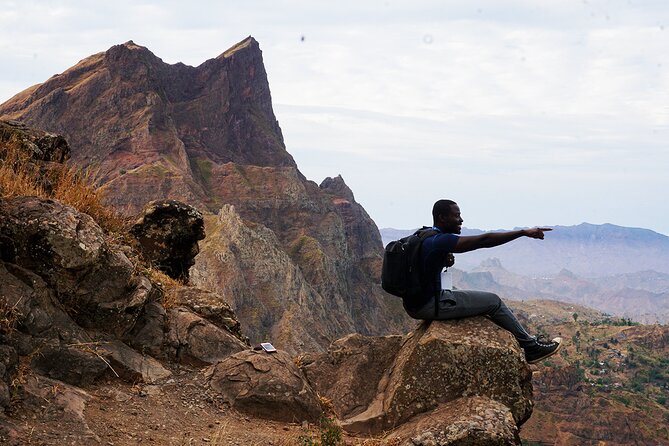
This is the tour’s hardest day, and you should judge your fitness honestly. The route begins with a scenic drive toward Rui Vaz and Monte Tchota, a high area at about 800 meters. Its cooler microclimate supports more plant and bird life than you find in the hotter coastal zones.
The route then heads toward Pico de Antónia, Santiago’s highest point at 1,394 meters. The stated walking time is four to five hours, with about 3 kilometers of route distance, 672 meters of ascent, and 400 meters of descent. The short distance can be misleading. The climb is the challenge.
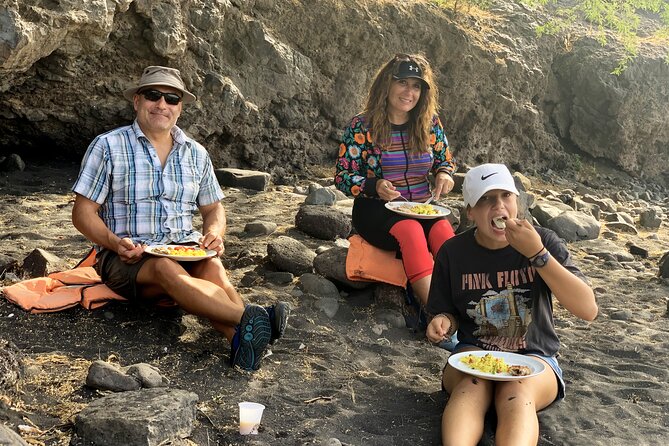
The path is described as narrow, safe, and moderately tilted, but the day is rated difficult. You should bring proper walking shoes, water, sun protection, and enough patience for a slow uphill pace. A small picnic is included, with a sandwich, fruit, and a soft drink. Vegetarian food is available on request.
Near the top, views may open toward the São Jorge Valley and, if the weather is clear, Maio and Fogo Island’s volcano. The word may matters. Mountain cloud can hide distant islands, so treat those views as a bonus rather than a promise.
This is the day to ask about weather and trail conditions before setting out. If you prefer gentler walks, the tour provider may be able to adjust a personalized itinerary, but that should be arranged ahead of time. One past booking was adapted to a guest’s own wishes, which suggests some flexibility, though you should not assume every change is included.
The day generally runs from 9 a.m. to 4 p.m. You return toward Monte Tchota and then continue to your accommodation in Rui Vaz, listed as Quinta da Montanha. Since the wider trip also includes Praia and Tarrafal overnights, confirm exactly where you sleep on each night and how luggage is moved.
A few more Praia trips worth comparing
- Serra Malagueta: Principal Valley Hike & Lunch with Locals
★ 4.7 · 64 reviews - Praia: Baobab Mysterious Tree, Green Valley & Old City Hike
★ 4.8 · 53 reviews - Santiago: Calabaceira Valley Trek & Visit to Cidade Velha
★ 4.8 · 49 reviews - From Praia: Boat Trip, Snorkeling, Cave & BBQ on the Beach
★ 4.6 · 45 reviews
Day 4: Assomada Market, Serra Malagueta, and Tarrafal
The fourth day shifts north. It begins at Assomada Market, where local produce, household goods, and daily trading give you a close look at ordinary island life. The market visit is available only on Wednesdays and Saturdays, so this is the most important calendar detail in the program.
After Assomada, you continue to Serra Malagueta Natural Park. The park covers about 774 hectares and is home to more than 124 plant species and 19 bird species. The walk is rated easy, with roughly 4.2 kilometers of walking, about 200 meters of ascent and descent, and a three to four-hour walking time.
The path is described as flat, wide, and safe. That makes this a good contrast with Pico de Antónia. You still need a moderate level of fitness, but you are not facing the same long climb. Your guide explains local plants and animals, and you might see monkeys, reptiles, and butterflies.
Lunch is included, with vegetarian food available if requested. The route then finishes toward Tarrafal Beach, where you get about an hour and a half to rest by the water before being taken to your accommodation.
This is one of the best-balanced days in the plan. The market gives you people and food, the park gives you nature, and Tarrafal gives you time to slow down. It is also an eight-hour day, generally from 9 a.m. to 5 p.m., so do not underestimate the amount of time spent in the vehicle between stops.
Day 5: A full free day at Tarrafal Beach
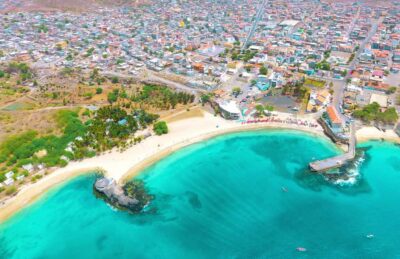
Day five is deliberately unstructured. After breakfast, you have about seven hours to enjoy Tarrafal at your own pace. Praia do Tarrafal is known for white sand and clear water, and it is presented as the island’s most picturesque beach.
The free day is a smart part of the itinerary. The previous days include long drives and guided walks, so you can swim, sit in the sun, or simply explore town without watching the clock. Bring swimwear, a towel, sandals or flip-flops, a hat, and sunscreen.
You can also visit the Chão Bom Concentration Camp, now a resistance museum. It was used to imprison political opponents of the dictatorship. The museum offers a more serious counterpoint to the beach, and it helps explain Cape Verde’s modern political past.
No entrance fee is listed for this optional visit, and no guided visit is promised. Ask your local representative about opening times and transport if you want to go. Dinner is not generally covered by the package, so plan to pay for your evening meal separately.
Day 6: Rabelados, plantations, and Praia’s Plateau
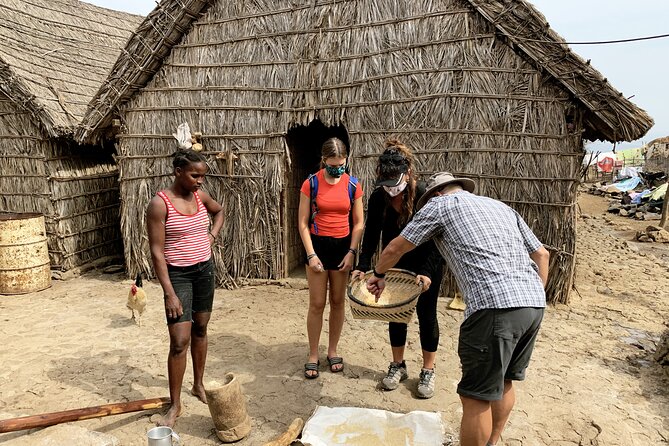
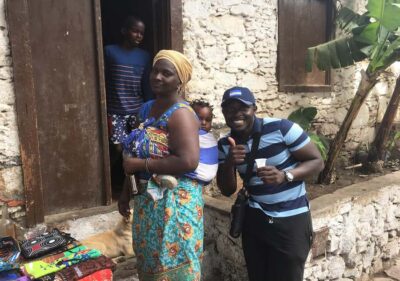
The last day starts on Santiago’s east coast near Calheta de São Miguel. At Espinho Branco, you visit the Rabelados religious community, known for preserving older customs and living in thatched houses. You can see local handicrafts and buy handmade paintings directly from artisans.
This stop lasts about two hours, so it is more than a quick roadside photograph. You have time to listen, look around, and decide if you want to purchase something. Keep an open mind and treat the visit as a meeting with a living community, not a staged museum display.
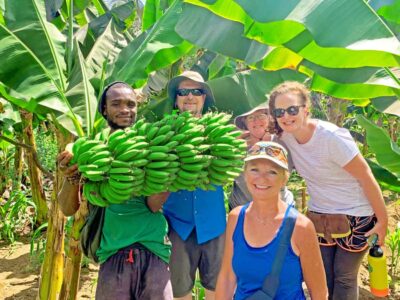
Next comes Santa Cruz and one of the country’s largest banana and coconut plantations. A short walk through the fields introduces you to fruit varieties and other plants. This agricultural stop pairs well with the earlier Calabaceira visit, since you see another side of how food is grown on the island.
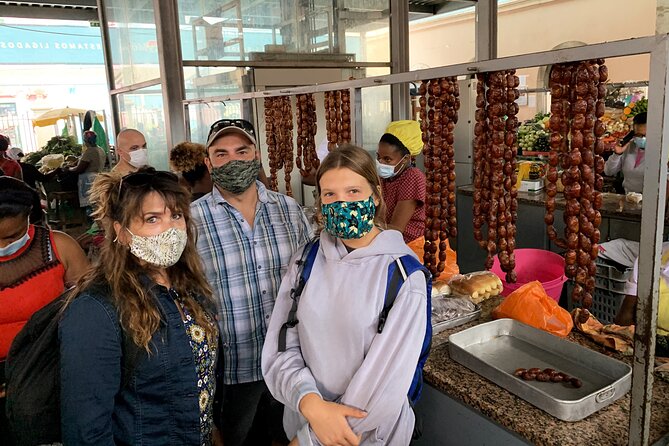
Back in Praia, the tour moves through the Plateau district. The walking route includes the Jaime Mota Military Barracks, the Presidential Palace, and Alexandre Albuquerque Square. You then visit the Municipal Market, where fruit and vegetables show you the everyday food culture of Cape Verde.
The Municipal Market is closed on Sundays. If your final day falls on Sunday, the order may change or this stop may not be possible. That is another reason to confirm the final schedule before arrival.
The final food stop is intended to be at Casa Katxupa or Quintal da Música, where you can try cachupa, Cape Verde’s national dish. At Quintal da Música, dinner is at your own expense and may come with live traditional music. The package information is slightly inconsistent about the exact restaurant, so ask which venue is planned for your date.
Finally, you receive a transfer to Nelson Mandela Praia International Airport. The airport drop-off is included, but make sure the pickup time leaves enough room for check-in and security.
What the price covers, and what it does not
The $1,102.91 price includes:
- Five nights of accommodation
- Five breakfasts
- Four lunches
- Airport arrival and departure transfers
- Luggage transfers
- Hotel pickup and drop-off for scheduled outings
- Entrance fees
- Transport and listed tours
- Taxes and 24-hour local assistance
You still pay the tourist tax, listed as 2 euros per person per night. International flights, visa or airport security charges, personal spending, unlisted services, and some dinners are also extra.
The food plan is intentionally partial. That gives you room to choose restaurants near your accommodation and try Cape Verdean dishes beyond the included lunches. It also means you should budget for dinner most nights, drinks beyond the listed picnic beverage, and the final cachupa meal if it is held at Quintal da Música.
Who will like this trip most
I would choose this tour if you want Santiago’s main sights without renting a car or arranging several separate drivers. It suits an active couple, a family with older children, or a small group that wants one local contact for the whole stay.
It is especially good for you if you enjoy moderate walking mixed with culture and food, rather than a pure beach holiday. The private format also helps families and small groups who want a little more control over pace and stops.
I would be cautious if your main goal is easy hiking. Pico de Antónia is difficult, with a substantial climb and narrow paths. I would also ask detailed questions if you need guaranteed hotel locations, fixed restaurant choices, or a strict day-by-day schedule, since the provider may alter the order or substitute accommodation of similar class.
The cancellation terms are worth noting before you commit. Cancellation at least six full days before the start time allows a full refund. Two to six full days brings a 50 percent refund, while cancellation less than two full days before the start receives no refund.
Should you book this Santiago Island tour?
Book it if you want a well-organized introduction to Santiago that gives equal weight to mountains, villages, history, farms, and the sea. The strongest parts are the small group size, the included transport, the excellent variety of stops, and the chance to meet people connected with farming, crafts, and local food.
Before booking, confirm three points: the exact accommodations, the day of the Assomada Market visit, and how the Pico de Antónia hike can be adjusted if the climb is too much. If those details suit you, this is a good-value way to see the island without spending your holiday solving transport problems.
FAQ
Is airport pickup included?
Yes. A representative meets you at Nelson Mandela Praia International Airport with a sign bearing your name. Arrival and departure airport transfers are included.
How large is the tour group?
The maximum group size is six people. The experience is described as private, but you should confirm whether your booking is exclusive to your own party.
How difficult is the hiking?
The Calabaceira and Serra Malagueta routes are rated easy. Pico de Antónia is rated difficult, with four to five hours of walking, about 672 meters of ascent, and narrow paths.
Is accommodation included?
Yes. The package includes five nights of accommodation. The provider may substitute a hotel of similar class if needed, so confirm the properties and locations before departure.
Are meals included?
Five breakfasts and four lunches are included. The picnic includes a sandwich, fruit, and a soft drink. Some dinners and personal meals are not included.
When can I visit Assomada Market?
The Assomada Market visit is available only on Wednesdays and Saturdays. The Municipal Market in Praia is closed on Sundays.
Is vegetarian food available?
Yes. Vegetarian food is available on request. You should provide that request before the tour begins.
What should I bring?
Bring sandals or flip-flops, a towel, a hat, swimwear, sunscreen, and suitable shoes for walking. A moderate level of physical fitness is recommended.
Newly listed around Praia
- Santiago Island: Private Airport Transfer to Praia or Vice Versa★ 5.0 · 3 reviews
- Hiking Águas Belas Cave★ 4.5 · 3 reviews
- Santiago Island: 4-Hour Calabaceira Valley Hike & Guided Tour to Cidade Velha★ 5.0 · 18 reviews
- Private Tour of Santiago – Discover the Island★ 4.5 · 18 reviews
- Tarrafal Beach Tour: Boat Trip to the Lighthouse, Snorkel & BBQ Lunch★ 5.0 · 5 reviews
- Best of Santiago Island: Cidade Velha, Workshop & Tarrafal Beach Tour★ 4.5 · 3 reviews
- Private Tour in Praia, Cape Verde★ 4.5 · 7 reviews
- Santiago Island: Banana Plantation, Natural Park & Workshop with a local family★ 5.0 · 10 reviews
Santiago Tours, compared.
Santiago Island Tour with Tastings and Tarrafal Beach
Read our review →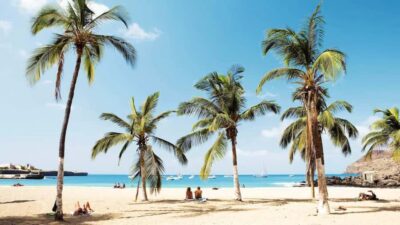
From Port of Praia: Island Tour for Cruise Ship passengers
Read our review →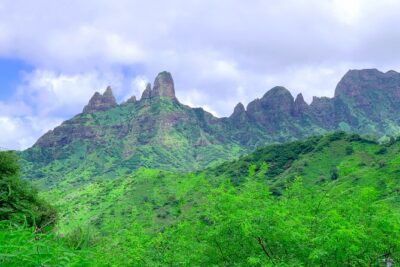
Santiago Island Tour: Meet with a Local Family & Tarrafal Beach
Read our review →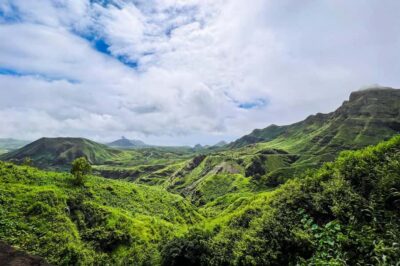
Island tour with German-speaking guide for cruise guests
Read our review →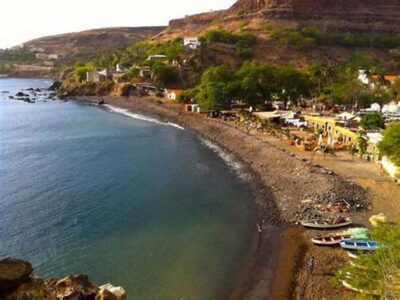
Santiago Island: Highlights of Cidade Velha with Local Guide
Read our review →Browse the lists this tour appears in