

Reviewed · GUIDED
Santiago Island: Highlights of Cidade Velha with Local Guide
Cidade Velha gives you Cape Verde’s story in a compact, walkable setting. This was the first city built by Europeans in sub-Saharan Africa, and its old streets bring colonization, slavery, religion, defense, and local life into one short visit. The best part is having a guide explain what you are looking at instead of passing silent ruins.
I like the small-group or private format, which keeps a three-hour visit from feeling like a march. I also like the range of stops: you get the high views from São Filipe Fortress, the difficult history of Pelourinho, the remains of the first cathedral in sub-Saharan Africa, and a meeting point with local fishermen.
The main consideration is the pace. Three hours is enough for a strong introduction, but not for a slow, detailed study of every building. The fort also costs an extra 5 euros per person and is closed on holidays.
Key points to know before you go
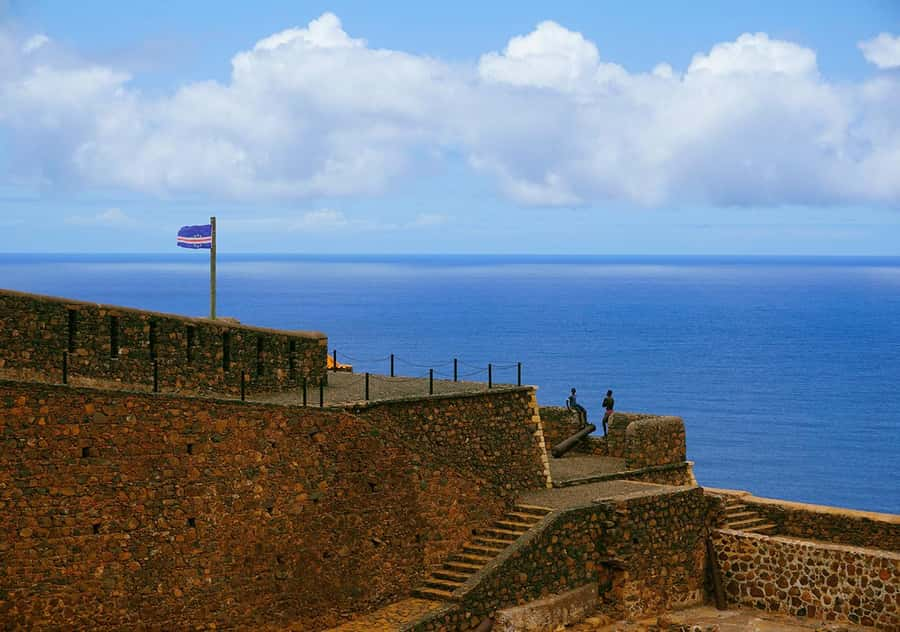
- Cidade Velha connects major chapters of Cape Verdean history in a small area that is easy to explore on foot.
- São Filipe Fortress gives you the broadest view, but the 5 euro entrance fee is not included.
- Pelourinho requires thoughtful explanation, since the former slave market is one of the visit’s most serious stops.
- Banana Street and the São Francisco Convent add everyday character, with traditional homes and old religious buildings.
- Pickup and drop-off from Praia are included, saving you the trouble of arranging transport.
- Guide quality is central to the experience, with past tours led by guides such as Yvonne, Ricardo, Ailton, Andrew, and Jose.
Why Cidade Velha deserves a place on your Santiago schedule
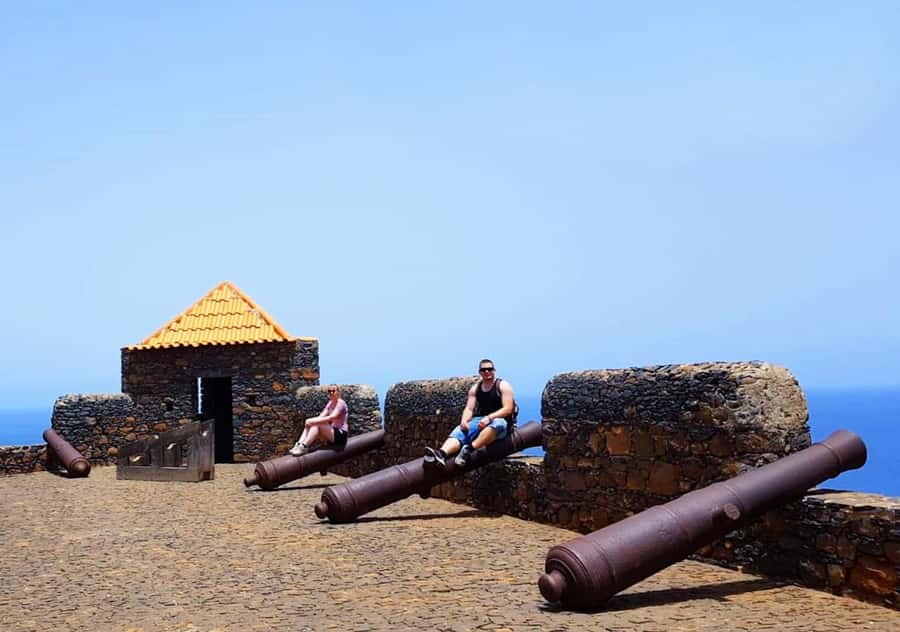
Cidade Velha is not simply an old town to photograph. It is the place where several forces shaped Cape Verde: European expansion, Atlantic trade, Christianity, slavery, piracy, African culture, and the growth of a distinct Cape Verdean society.
That story can be hard to read from the ruins alone. A broken wall may look like just another broken wall until you learn what it protected, who built it, or how its location affected the settlement below. This is why I would choose a guided visit over wandering alone, especially if you have only one day on Santiago Island.
The town is a UNESCO World Heritage Site, and the three-hour route covers its main historic points without asking you to spend an entire day on foot. You get transportation from your accommodation in Praia, a walking tour in Cidade Velha, and a return ride afterward.
The experience costs $57 per person. That is a fair price if you are staying in Praia and want transport, a guide, and a focused introduction to the town. You still pay 5 euros to enter São Filipe Fortress, and lunch is not included, so the total cost is slightly higher than the headline price.
A few more Santiago trips worth comparing
- Praia: Santiago Island Tour with Tastings and Tarrafal Beach
★ 4.8 · 416 reviews - Santiago: Landscapes, Street Art, and Markets Day Trip
★ 4.8 · 316 reviews - From Port of Praia: Island Tour for Cruise Ship passengers
★ 4.5 · 190 reviews
Starting from Praia and reaching the old city
Pickup is available from accommodation in Praia, and the tour can also begin or end in Cidade Velha. The included transportation matters because it removes one of the practical hurdles of visiting a historic town outside the capital.
Once you arrive, the visit becomes mainly a walking tour. Bring water, since the activity is short but active, and you will be moving between open-air sites, streets, ruins, and viewpoints. The route is not presented as a long hike, but you should be comfortable walking for much of the three hours.
The shared group option requires at least two participants. If that minimum is not met, the operator can suggest another date, offer to run the outing privately for an added fee, or cancel with a full refund. If you prefer a fixed plan, ask about the private option when booking.
São Filipe Fortress and the view over Cidade Velha

The first major stop is São Filipe Royal Fortification, usually the place that gives you the clearest sense of why Cidade Velha mattered. The fortress was built to protect the island from pirate attacks, and its position above the town gives you wide views over the old settlement and the coast.
I like beginning here because the high viewpoint helps you understand the town’s layout before you walk through it. From above, the colonial buildings, shoreline, and old defensive position fit together in a way that is harder to grasp from street level.
The entrance fee is 5 euros per person and is not included in the tour price. Check the date of your visit carefully because the fortress is closed on holidays. If entering the fort is important to you, confirm that it will be open before you set out.
The fort is more than a photo stop. Your guide can connect the walls and position to the threat of pirates and the wider importance of Cidade Velha in Atlantic trade. Past guides have included Ricardo, Ailton, Yvonne, Andrew, and Jose, with several visitors specifically praising their clear explanations and friendly manner.
The cathedral ruins and the weight of the past
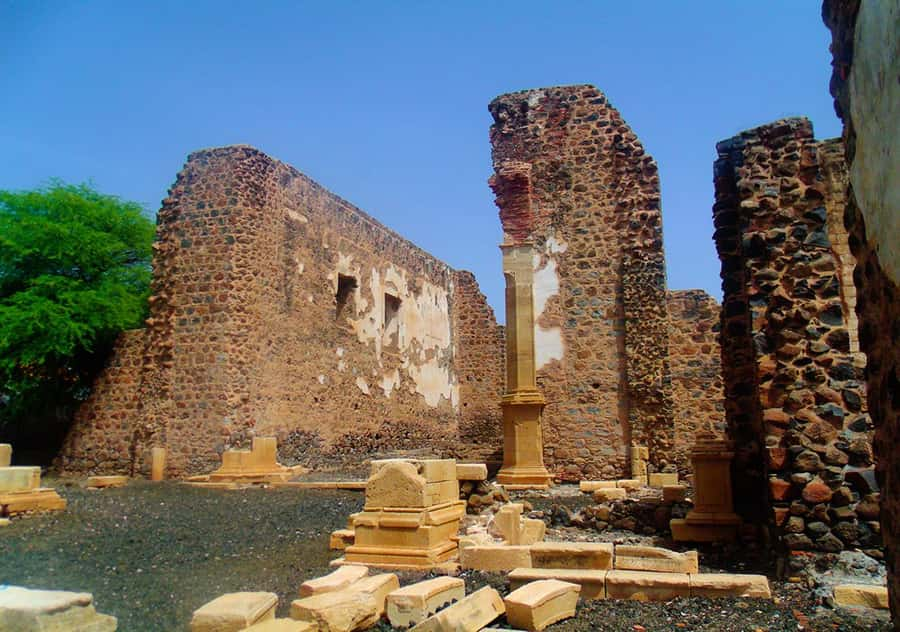
The remains of Sé Cathedral are among the tour’s most striking historic sites. It was the first cathedral built in sub-Saharan Africa, and today you see ruins rather than a complete functioning church.
The value here comes from context. On your own, you may notice the age of the stonework and the scale of the remains, but a guide can explain what the cathedral represented during the growth of European power and Christianity in the region.
This stop also shows the contrast that runs through the whole visit. Cidade Velha contains impressive religious and military buildings, yet their development was tied to systems of control, trade, and forced labor. The tour does not present the town as a simple colonial success story.
If you enjoy architecture, the cathedral ruins give you a useful pause between the fortress and the lower streets. If you prefer a fast sightseeing trip, this may feel like a brief stop, since the structure is no longer intact. Its importance is historical as much as visual.
Same island, a completely different sort of day:
- Santiago Island Tour: Meet with a Local Family & Tarrafal Beach
★ 5.0 · 127 reviews - Island tour with German-speaking guide for cruise guests
★ 4.1 · 91 reviews - Praia & Cidade Velha: Guided City Tour
★ 4.8 · 80 reviews - From Praia: Banana Plantation Tour and Cuscuz Workshop
★ 4.8 · 75 reviews
Pelourinho and the difficult story of slavery
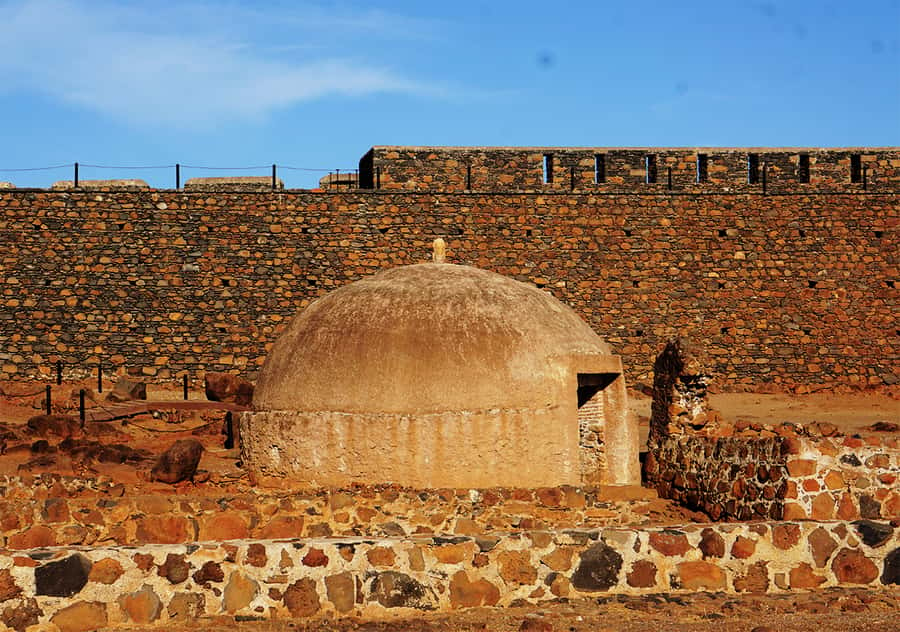
Pelourinho, also called the Pillory, is the former slave market and one of the most important stops on the route. This is where the tour moves from fortifications and religious buildings to the human cost of colonization.
You should expect a serious explanation rather than a light sightseeing moment. Learning about slavery in Cape Verde is essential to understanding how Cidade Velha developed and how the country’s culture took shape. The guide’s role matters especially here, since the site itself cannot tell the full story.
Several past guides were praised for explaining both slavery and modern Cape Verdean culture. That balance is useful. It helps you understand the painful parts of the past without reducing Cape Verde to a place defined only by colonial history.
I would give this stop your full attention. It may be uncomfortable, but skipping it would leave out one of the central facts of Cidade Velha’s story.
Banana Street and traditional homes
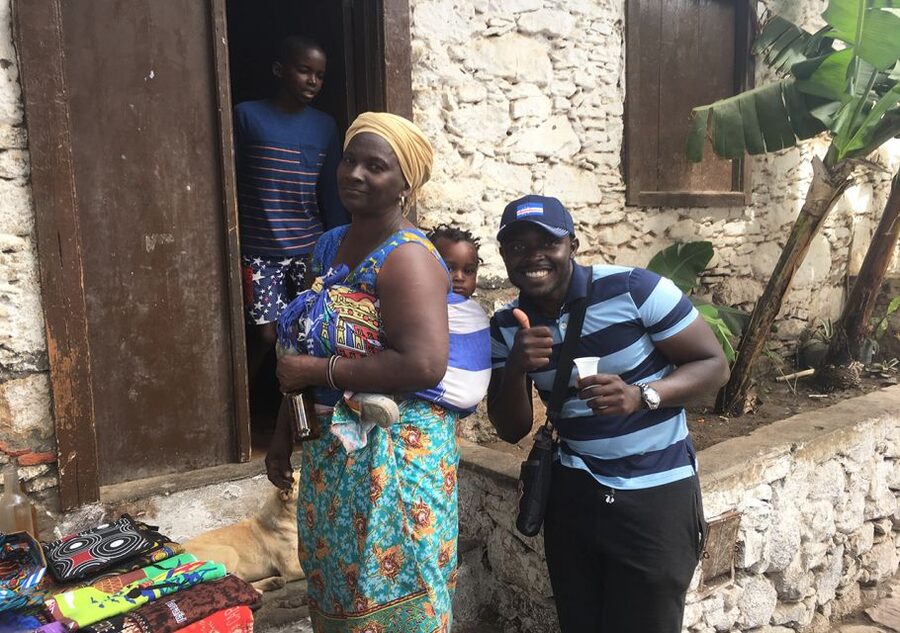
Banana Street offers a change in tone. The route leads through a historic street lined with traditional thatched houses, giving you a closer look at the older character of the town.
This is one of the places where a walking tour earns its keep. You are not simply looking at a major monument from the outside. You are moving through the fabric of the settlement and seeing how the town’s historic identity appears in smaller buildings and local details.
The name may sound playful, but the stop fits into the wider story of Cape Verdean culture. The tour presents Cidade Velha as a living place, not only an archaeological site. You may still find the visit brief, since the whole route must fit into three hours, but it adds welcome texture after the more formal fortress and cathedral stops.
São Francisco Convent and the religious side of town
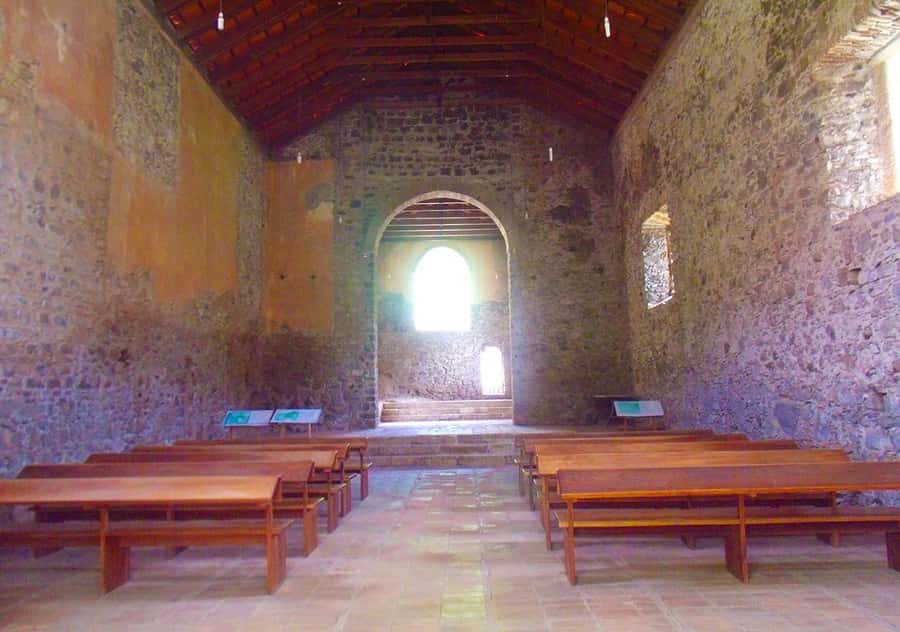
The São Francisco Convent is another important historic building on the walking route. Like the cathedral ruins, it shows the role of religious institutions in the development of Cidade Velha.
I appreciate having both sites included because they prevent the visit from becoming focused only on pirates and slavery. You see the military, commercial, religious, and domestic sides of the settlement in one morning or afternoon.
The convent is part of a sequence rather than a stand-alone museum visit. Do not expect a long independent exploration with extensive exhibits. Instead, expect your guide to point out what remains, explain its place in the town, and connect it to the other sites you have already seen.
The black-sand beach and local fishermen
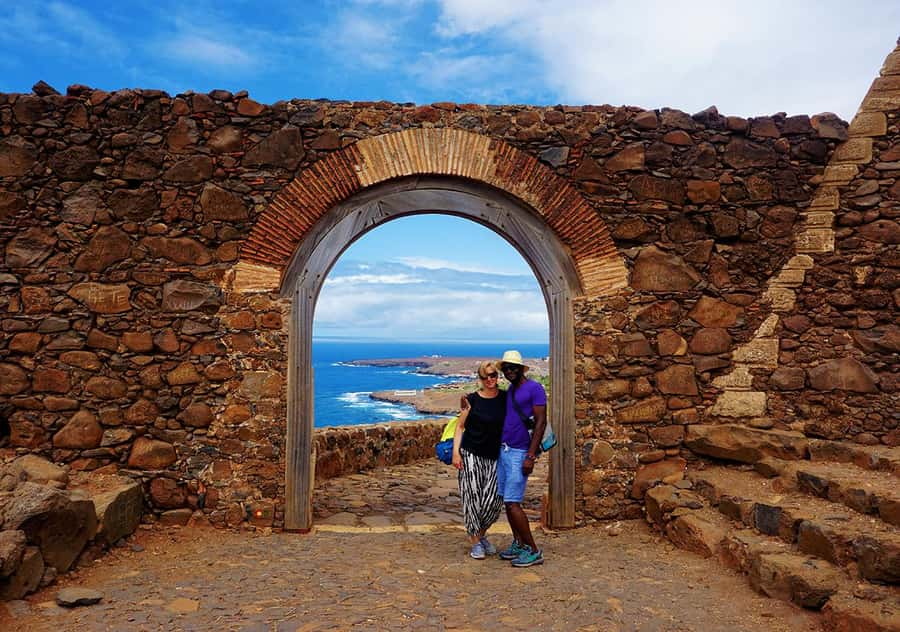
The tour also takes you to a black-sand beach and gives you a chance to meet local fishermen. This adds a present-day element to a route that could otherwise feel locked in the past.
I like this part because it brings the town back to daily life. You see that Cidade Velha is not only a collection of ruins for sightseeing. People still work, live, and move around the same coastal setting.
The fishing bay also helps explain the town’s connection to the sea. The route uses the coast and its views to link the historic settlement with the island’s present-day life. Do not expect a beach day or a long swim stop. The beach is one short part of a history-focused tour, not a separate recreational activity.
What the guide adds to the three-hour route
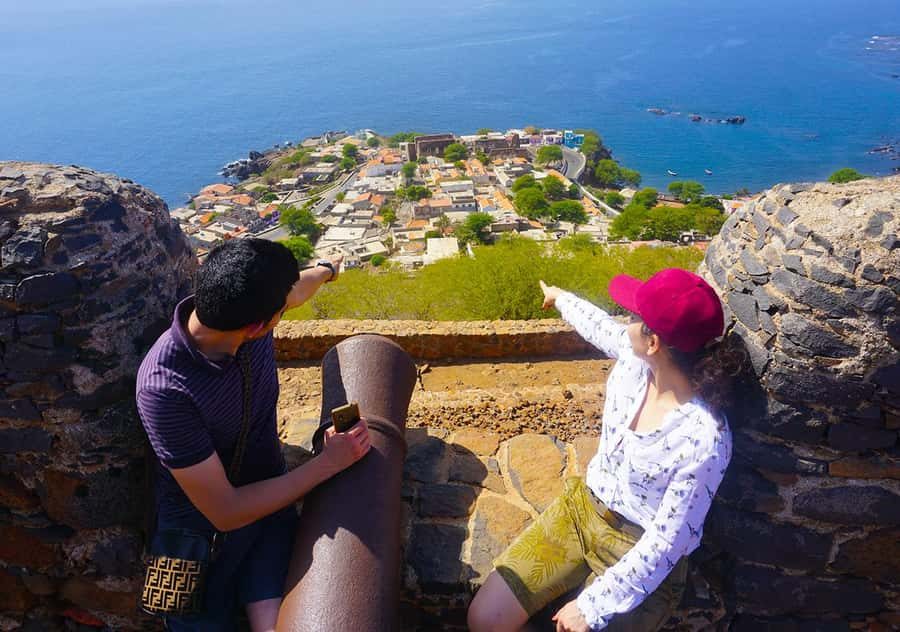
The guide is the main reason to book this experience rather than simply arranging transport to Cidade Velha. The town’s attractions are spread across several locations, and the meaning behind them is not always obvious.
Past guides have included Yvonne, Ricardo, Ailton, Andrew, Jose, and others. Ailton was noted for excellent English, careful pacing, and detailed explanations. Ricardo was praised for being friendly and well informed, while Yvonne was described as patient and clear with a group. Andrew helped connect the local culture, slavery, and the development of the village.
Language options are English, French, Portuguese, and Spanish. One past visitor found the guide friendly and professional but sometimes difficult to understand because of pronunciation. That is worth keeping in mind if you are choosing a shared group and need very clear spoken English. The overall guide experience appears to be a major strength, but individual communication can vary.
A good guide should do more than name buildings. You want explanations of why the fort was built, what the cathedral represented, how slavery shaped the town, and how Cidade Velha relates to Cape Verde today. This route is at its best when those connections are made.
Group size, timing, and comfort
The activity lasts three hours, including the visit and transport arrangements. That makes it easy to fit into a day based in Praia, especially if you want a focused cultural outing rather than a full-day island circuit.
A private or small-group booking gives you more room to ask questions and spend extra time at the stops that interest you most. A shared group can cost less in practical terms, but it depends on the minimum of two participants and may give you less control over the pace.
The itinerary includes several walking stops, so wear comfortable shoes and bring water. There is no lunch included. Since the tour is only three hours, food is not a major issue, but you should plan around the starting time if you need a meal before or after.
The vehicle transfer is included, and one past visitor specifically noted that the car was clean and the driver careful. That is useful reassurance for anyone who does not want to negotiate local transport before a history visit.
Who will get the most from this tour
I would recommend this tour to you if you are staying in Praia and want to understand Santiago beyond its capital. It suits first-time visitors, history-minded visitors, and anyone who prefers an expert explanation at important sites.
It is also a good choice if you want to learn about slavery and colonization in a direct but structured way. The route does not avoid difficult subjects, yet it also includes local culture, fishermen, traditional houses, and the modern life of the town.
Families and mixed-interest groups may also find the variety useful. The fortress offers views, the ruins provide architecture, Pelourinho gives historical context, and the beach and fishermen add a more personal side to the visit.
You may want something else if you prefer a slow photographic walk, a full-day historical study, or a beach-focused outing. The tour covers a lot in three hours, so each stop receives an introduction rather than an extended examination.
Is the $57 price good value?
For $57 per person, you receive hotel pickup and drop-off from Praia, transportation, a live guide, and liability insurance. The price does not include the 5 euro fortress entrance fee or lunch.
I consider that solid value for a short, organized visit. Transport alone can be inconvenient when you are unfamiliar with Santiago, and the guide is particularly useful in a town where ruins and monuments need explanation. The price is easier to justify if you are traveling with limited time and want the main sites in one outing.
The private option may cost more, but it can be worthwhile if you want to ask many questions or set a slower pace. The shared option is likely better for keeping costs down, provided the minimum group requirement is met.
Should you book it?
Book this tour if you want a clear introduction to Cidade Velha with transport from Praia and a guide who can explain both its proud and painful past. The fortress, cathedral ruins, Pelourinho, Banana Street, São Francisco Convent, and black-sand beach create a well-rounded three-hour route.
Before booking, check the fortress holiday closure, remember the extra 5 euro entrance fee, and decide if a private format suits you better. If you value context more than free time, this is one of the better short cultural outings on Santiago Island. If you want a relaxed beach day or a very detailed study of every ruin, choose a longer or more specialized visit instead.
FAQ
How long does the Cidade Velha tour last?
The tour lasts three hours, including the guided visit and transportation arrangements.
Where does pickup take place?
Pickup is included from your accommodation in Praia. The activity also lists Cidade Velha as a possible pickup location.
Where does the tour finish?
Drop-off is available in Praia or Cidade Velha.
What languages does the guide speak?
Live guides are available in English, French, Portuguese, and Spanish.
Is São Filipe Fortress included in the tour price?
The fortress visit requires an additional entrance fee of 5 euros per person.
Is the fortress open every day?
São Filipe Fortress is closed on holidays, so check its availability for your chosen date.
Is lunch included?
No. Lunch is not included in the activity.
What should I bring?
Bring water for the walking tour.
Is the tour private or shared?
You can choose a shared group, small-group, or private tour, depending on availability.
What happens if the shared group does not reach two participants?
The operator may suggest another date, offer to run the tour privately for an additional fee, or cancel the booking with a full refund.
Newly listed around Santiago
- Tarrafal to the Airport.★ 5.0 · 3 reviews
- Praia city to the airport.★ 5.0 · 3 reviews
- Guided city Tour Praia, Highlights tour★ 5.0 · 8 reviews
- Full Day Santiago Island Tour★ 5.0 · 21 reviews
- Santiago Island: Private Airport Transfer to Praia or Vice Versa★ 5.0 · 3 reviews
- Hiking Águas Belas Cave★ 4.5 · 3 reviews
- Santiago Island: 4-Hour Calabaceira Valley Hike & Guided Tour to Cidade Velha★ 5.0 · 18 reviews
- Private Tour of Santiago – Discover the Island★ 4.5 · 18 reviews
Guided, compared.

Island Experience Tour with a Certified Local Guide
Read our review →
Experience on Sal Island with native and certified guide (including sharks)
Read our review →

Electric Beach Bike – Guided Tour in Sal Island
Read our review →

Browse the lists this tour appears in