
Reviewed · WORKSHOPS
Santiago Island: Banana Plantation, Natural Park & Workshop with a local family
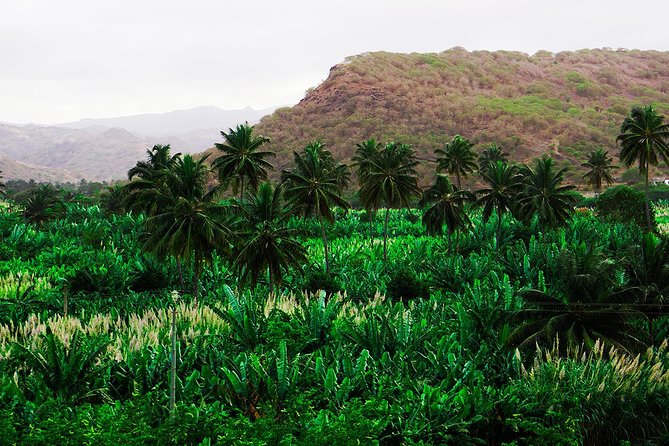
The heart of this half-day outing is not a lookout or monument. It is the chance to see how food moves from Santiago’s fields to a family kitchen. You walk among banana and coconut plants near Pedra Badejo, then join a local family in São Lourenço dos Órgãos to prepare cuscuz and fidjós from scratch.
I like two things right away: the tour keeps its group to no more than eight people, and it links farming with home cooking instead of treating culture as a staged show. I also like the easy hotel pickup from Praia. The main consideration is the price, $87.14 per person, which is fair for a private or small-group outing with transport, but high if you only want a quick plantation visit.
- A walk through Cape Verde’s largest banana and coconut plantation
- Hands-on preparation of cuscuz and fidjós with a local family
- Round-trip transfer from your Praia accommodation
- A maximum group size of eight for more personal guiding
- Spanish-language guiding may be available, including Katia on some departures
- Optional fresh coconut water at your own expense, if available
From Praia to Santiago’s farming country
Your morning starts at 9:00 a.m. with pickup at your hotel in Praia. The drive inland toward Santa Cruz takes about 30 minutes, so you quickly leave the capital behind and get a look at the island beyond its urban center.
That short transfer matters. You are not spending half the day in a vehicle, yet you still reach a part of Santiago that feels tied to farming and village life. The road passes between rocks and valleys on the return journey, giving the outing a sense of travel across the island rather than a simple stop-and-go excursion.
Your exact vehicle and route details are not specified, so I would confirm the pickup point when booking. The useful part is clear: you do not need to arrange a taxi to the plantation or find your way back to Praia.
Pedra Badejo and the banana plantation walk
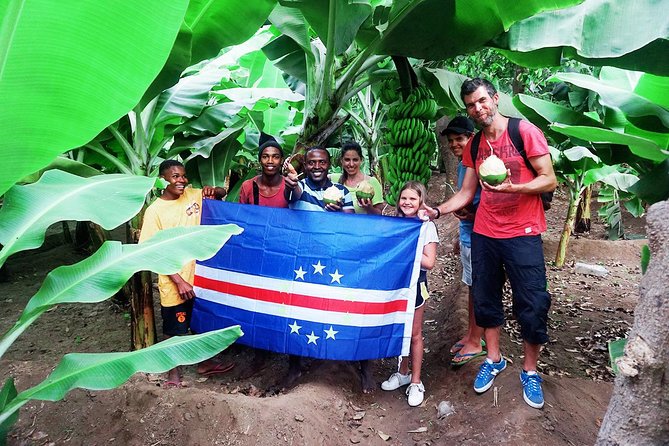
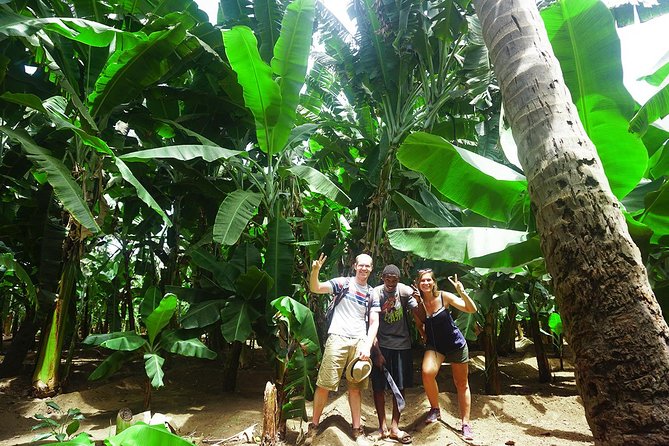
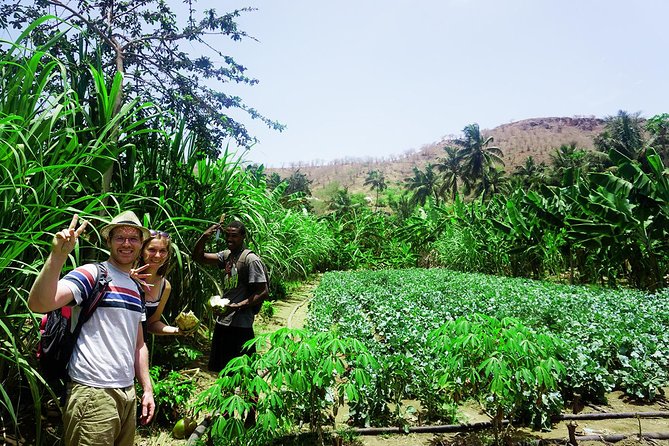
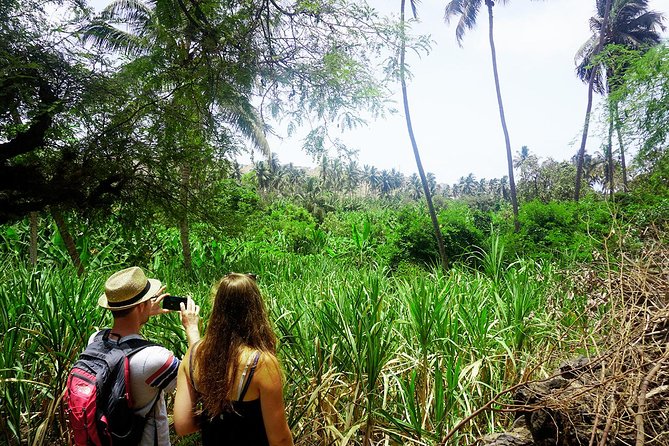
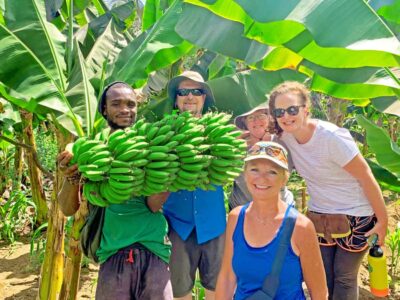
The first major stop is in Pedra Badejo, home to the country’s largest banana and coconut plantation. The visit lasts about an hour and takes place on foot inside the agricultural fields.
This is the kind of stop where a guide adds real value. Instead of simply looking at rows of plants, you learn about the fruits and varieties growing along the route. The focus is on what is cultivated, how the plants fit into local life, and the range of produce found on Santiago.
The walk is described as shaded and comfortable, which is useful in Cape Verde’s strong sun. Still, bring a hat, water, sunscreen, and comfortable clothes. The tour is outdoors, and even a pleasant path can feel hot if you arrive unprepared.
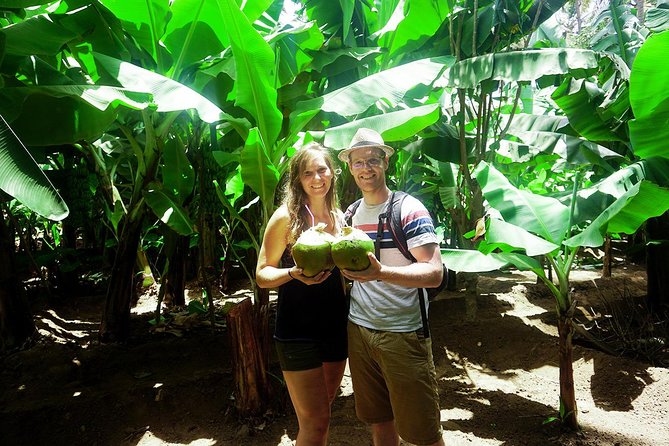
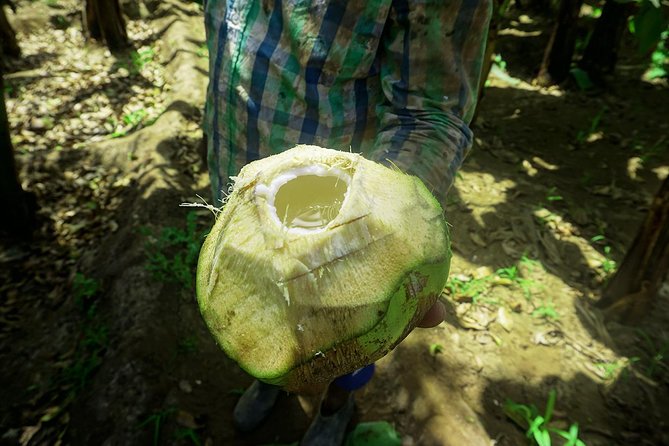
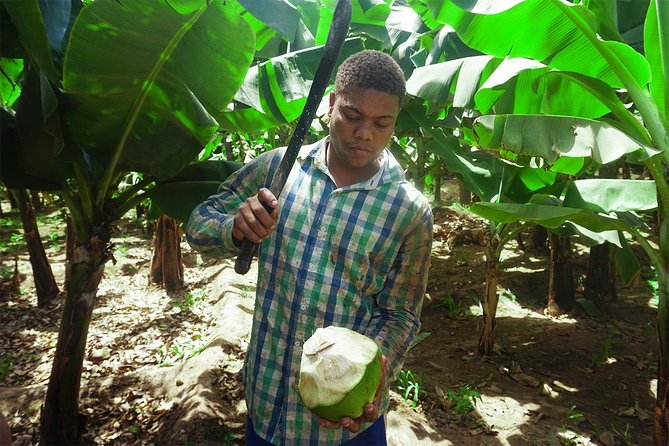
If fresh coconut water is available, you can buy it at your own expense. That small detail is worth keeping in mind: it is an optional refreshment, not something included in the price. Ask your guide about it rather than counting on it being offered every time.
I would not treat this as a serious farm tour or a long nature walk. You have about an hour, and the purpose is to understand the plantation and its crops before moving on. The stop works best for you if you enjoy seeing ordinary work and local food production up close.
The small group helps here. With a maximum of eight people, you should have a better chance to ask questions and hear explanations than on a large coach excursion. Guide names connected with this experience include Ricardo, Ayrton, and Cleber. On some departures, Katia has guided in Spanish, so Spanish-speaking visitors should ask about language availability when reserving.
A few more Praia trips worth comparing
- Best of Santiago Island: Cidade Velha, Workshop & Tarrafal Beach Tour
★ 4.5 · 3 reviews - From Praia: Banana Plantation Tour and Cuscuz Workshop
★ 4.8 · 75 reviews - Sal Island: Catxupa Cooking Class with a local family
★ 4.7 · 72 reviews
Cooking with a local family in São Lourenço dos Órgãos
The second stop carries the tour from agriculture into the home. You continue to São Lourenço dos Órgãos, also referred to as Orgãos, for a two-hour cooking session with a local family.
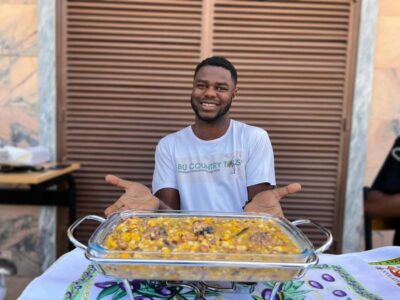
The dishes are cuscuz and fidjós. Cape Verdean cuscuz is a traditional cake made from corn flour. Fidjós are fried banana mixed with wheat. The appeal is not just tasting a finished dish. You take part in making these foods, which gives you a clearer sense of the ingredients, methods, and routines behind local cooking.
The experience is hosted in the home of a local family, with the cooking centered on Mama Luisa’s house. That setting is important. You are not simply watching a demonstration in a restaurant kitchen. You are entering a domestic space where food traditions are tied to family life and hospitality.
The two-hour timing gives this section room to breathe. You should have time to follow the preparation, ask questions, and take part without feeling rushed through a short photo stop. At the same time, the available information does not promise a full meal beyond the dishes being prepared, so I would think of this as a cooking workshop rather than a restaurant lunch.
Several guides and assistants may help with the session. Ayrton and Cleber are associated with the cooking visit, while Katia has led Spanish-language tours. The team can vary, but the format remains the same: local food, practical preparation, and conversation with the family.
This is the strongest part of the outing for you if personal contact matters more than checking off sights. The plantation shows where some local produce comes from. The workshop shows what happens when that food becomes part of everyday cooking. Those two halves make more sense together than either one would alone.
Why the small group changes the experience
A group limit of eight is one of the better features here. It does not turn the activity into a private visit, but it should make conversation easier at both the plantation and the family home.
You can also upgrade to a private tour if you want more control over the pace and attention from the guide. The available information does not state the private-tour surcharge, so check that cost before booking. A private option may suit you if your schedule is tight, you need a particular language, or you want a more personal day with your own party.
The small group also has a practical benefit at the cooking workshop. A large crowd can turn hands-on cooking into watching people at the front. With fewer people, you have a better chance to take part and hear what is being explained.
Guide quality matters more than usual on an experience like this. The strongest praise centers on guides being attentive, kind, and helpful, with particular appreciation for Katia, Ricardo, Ayrton, and Cleber. The team also includes interns on some visits. Ask questions, take your time, and tell the guide if you want more explanation about ingredients or customs.
Is $87.14 a fair price?
At $87.14 per person, this is not the cheapest way to spend four hours around Praia. You are paying for more than admission, though. The fee covers the round-trip transfer from your Praia hotel, a plantation visit, a local guide, and a two-hour cooking workshop with a family.
The value improves if you would otherwise need to arrange separate transport to Santa Cruz, Pedra Badejo, and São Lourenço dos Órgãos. A private taxi could also become costly once you add waiting time and the difficulty of arranging a family cooking session on your own.
The price is less compelling if you only want scenery or a quick look at banana plants. In that case, the cooking workshop is the part that makes the expense worthwhile. You are paying for access to a local home and for the time spent preparing traditional food, not just for transportation.
Group discounts are available, which could help if you are traveling with several people. The private upgrade may provide extra comfort and flexibility, but it is worth comparing the final total with the standard small-group price.
The experience is usually booked about 11 days in advance, so I would not leave it until the last morning if the cooking session is important to you. Confirmation is provided at booking, and the tour requires a minimum number of participants. If that minimum is not met, you are offered another date or experience, or a full refund.
Same island, a completely different sort of day:
- Santiago: Landscapes, Street Art, and Markets Day Trip
★ 4.8 · 316 reviews - From Port of Praia: Island Tour for Cruise Ship passengers
★ 4.5 · 190 reviews - Praia & Cidade Velha: Guided City Tour
★ 4.8 · 80 reviews - Serra Malagueta: Principal Valley Hike & Lunch with Locals
★ 4.7 · 64 reviews
What to bring for the four-hour outing
Keep your packing simple. Comfortable clothing, a hat, water, and sunscreen are specifically recommended.
The plantation walk is outdoors, and the cooking session follows it, so clothing that works for both settings is best. You do not need to dress formally for the family visit. Practical clothes will serve you better than anything delicate or restrictive.
The total duration is about four hours, including roughly 30 minutes from Praia to the first stop and 30 minutes back. The timetable leaves about three hours for the plantation and cooking activities, with the plantation taking about one hour and the family workshop about two.
The tour begins at 9:00 a.m., so it fits neatly into a morning and early afternoon. You return to your accommodation at the end, which is handy if you have evening plans in Praia.
Who will enjoy this Santiago Island experience?
I would recommend this outing to you if you want more than a city tour and prefer meeting local people through food. It suits curious eaters, families, couples, and small groups who enjoy participating rather than only taking photographs.
It is also a good match if you want an introduction to Santiago without committing to a full-day island circuit. You get a taste of the countryside, farming, regional food, and family hospitality in one compact trip.
The experience may be less suitable for you if you dislike outdoor walking, want a tightly scripted sightseeing route, or expect a large menu and a long sit-down meal. The plantation is a working agricultural setting, not a polished attraction, and the family workshop is focused on two traditional dishes.
Language may also affect your choice. Spanish guiding has been available with Katia, but the information does not promise Spanish on every departure. If language support is essential, ask before paying.
Cancellation and planning details
You can cancel for a full refund up to 24 hours before the local start time. Cancellations or changes made less than 24 hours in advance are not accepted for a refund.
Pickup is offered from Praia hotels, but confirm the exact meeting details after booking. Most people can take part, and the activity has a maximum of eight participants. The tour is operated by Bu Country Tours.
I would also check whether the fresh coconut water is available on your date. It is an optional purchase, so bring your own water regardless.
Should you book it?
Book this tour if you want Cape Verdean food and daily life to be the main story of your morning. The plantation walk gives the outing a useful sense of place, but the cooking session with Mama Luisa’s family is the real reason to choose it.
At $87.14, it asks more than a basic transfer or short farm visit. In return, you get transport, a small group, a guide, and a rare chance to prepare cuscuz and fidjós in a local home. I would choose it for a first visit to Santiago when you want a personal cultural experience without giving up your whole day.
FAQ
Where does the tour start?
The tour starts with pickup at your hotel in Praia at 9:00 a.m.
How long does the experience last?
The experience lasts approximately four hours.
How many people can join the tour?
The group has a maximum of eight people.
Is a private tour available?
Yes. You can upgrade to a private tour for a more personalized experience.
What happens at the plantation?
You walk through the largest banana and coconut plantation in Cape Verde while a local guide explains the fruits and plants found along the route.
Can I drink fresh coconut water?
If fresh coconut water is available, you can purchase it at your own expense.
What food do you prepare?
You prepare cuscuz, a traditional cake made from corn flour, and fidjós, made with fried banana mixed with wheat.
Where is the cooking workshop held?
The cooking workshop takes place with a local family in São Lourenço dos Órgãos, at the home associated with Mama Luisa.
Is hotel transportation included?
Round-trip transfers from your Praia accommodation are offered.
What should I bring?
Bring comfortable clothes, a hat, water, and sunscreen.
Can I cancel for a full refund?
Yes. You can cancel at least 24 hours before the local start time for a full refund.
Newly listed around Praia
- Santiago Island: Private Airport Transfer to Praia or Vice Versa★ 5.0 · 3 reviews
- Hiking Águas Belas Cave★ 4.5 · 3 reviews
- Santiago Island: 4-Hour Calabaceira Valley Hike & Guided Tour to Cidade Velha★ 5.0 · 18 reviews
- Private Tour of Santiago – Discover the Island★ 4.5 · 18 reviews
- Tarrafal Beach Tour: Boat Trip to the Lighthouse, Snorkel & BBQ Lunch★ 5.0 · 5 reviews
- Best of Santiago Island: Cidade Velha, Workshop & Tarrafal Beach Tour★ 4.5 · 3 reviews
- Private Tour in Praia, Cape Verde★ 4.5 · 7 reviews
- Like Locals: Praia and Cidade Velha Tour + Local Pontxi Tasting★ 5.0 · 19 reviews
Workshops, compared.
Mindelo Cultural: city tour with live music and dance class
Read our review →
Best of Santiago Island: Cidade Velha, Workshop & Tarrafal Beach Tour
Read our review →Browse the lists this tour appears in