

Reviewed · SANTIAGO TOURS
The origen of Capeverdean People
Cape Verde’s story begins in African and European encounters, but this tour places African people at the center of the conversation. You’ll visit Cidade Velha, the old city founded by Africans and Europeans, and connect its surviving monuments to the people brought from Senegal, Guinea-Bissau, and Gambia who helped form Cape Verde’s Kriolu nation.
I like the Afro-centered viewpoint, which gives needed attention to the Black men and women whose work, culture, and descendants shaped the country. I also like the hotel pickup and small group of no more than seven, since two hours can cover more ground when you are not waiting for a busload of people.
The main consideration is its short length. You’ll see the principal historic sites and get a focused explanation, but this is an introduction rather than a full-day study of Santiago or the entire Cape Verdean past. The subject also includes slavery, so expect a serious history lesson rather than a light sightseeing stroll.
Key points to know before you go
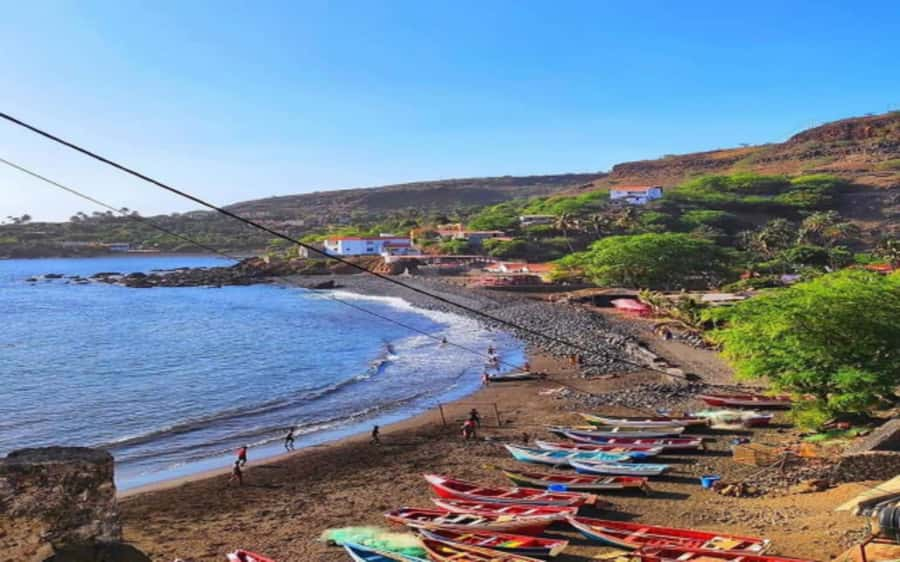
- Cidade Velha is the heart of the visit: You travel about 20 minutes by car from your hotel to the old city and its surviving historic monuments.
- African contributions lead the story: The tour focuses on peoples from Senegal, Guinea-Bissau, and Gambia and their role in forming Cape Verdean society.
- Culture is part of the history: You’ll connect African roots with Cape Verdean skin colors, dance, and the Kriolu dialect.
- You get door-to-door transport: Hotel pickup, transport, and return to your accommodation are included.
- Small groups keep it personal: The group is limited to seven participants.
- Languages are flexible: Live guiding is available in Portuguese, English, and French.
Why Cidade Velha matters to Cape Verde’s story
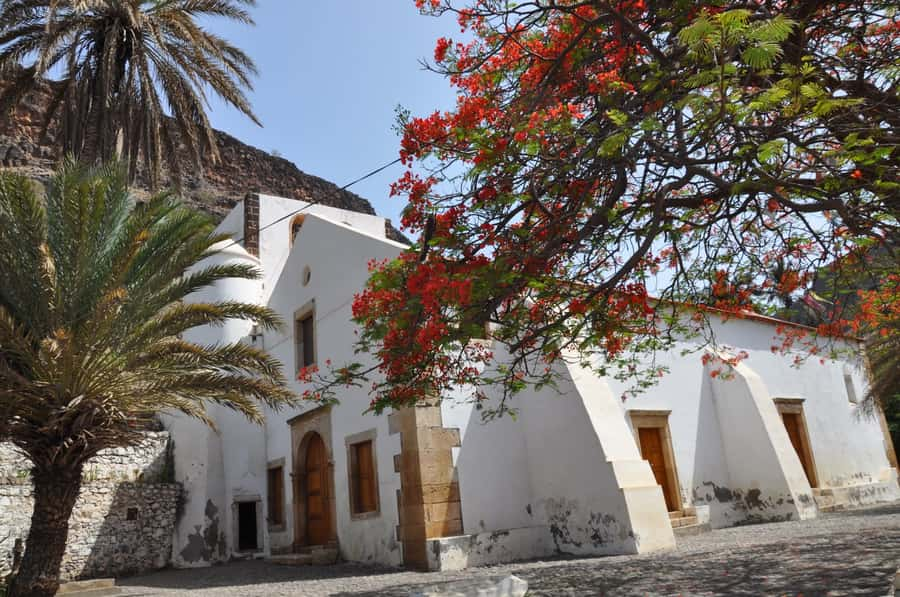
Cidade Velha is not simply an old town added to a sightseeing schedule. It is the place where the tour’s central argument becomes visible: Cape Verde developed through the meeting of African people, European colonial power, and the Atlantic slave trade.
The city was founded by Africans and Europeans and later became important to the slave trade connected with the wider opening of the New World. That history gives the remaining monuments a weight that goes beyond their age. You are not looking only at old walls or religious buildings. You are looking at the physical remains of a place tied to forced migration, colonial power, and the creation of a new society.
I appreciate that the tour does not treat African culture as a side note. It explains how people brought from Senegal, Guinea-Bissau, and Gambia contributed to the nation that developed in Cape Verde. The aim is to help you see Cape Verdean identity as something formed by people, not just by colonial dates and architecture.
The World Heritage status of Cidade Velha also makes sense in this setting. Its importance comes from the town’s part in Atlantic history, especially its connection to the slave trade. A visit here can be uncomfortable, but that discomfort is useful. It keeps the past from being reduced to attractive scenery and old stone.
A few more Praia trips worth comparing
- Santiago: Landscapes, Street Art, and Markets Day Trip
★ 4.8 · 316 reviews - From Port of Praia: Island Tour for Cruise Ship passengers
★ 4.5 · 190 reviews - Praia & Cidade Velha: Guided City Tour
★ 4.8 · 80 reviews
The 20-minute ride from your hotel
The tour begins with hotel pickup, followed by a drive of about 20 minutes to Cidade Velha. This simple arrangement matters on Santiago Island, where organizing your own transport can add time and uncertainty to a short excursion.
You do not need to spend part of the morning arranging a taxi or working out how to get back. Transport is included both ways, and the guide remains responsible for getting the group to the old city and back to your accommodation.
The drive also gives you a transition from present-day Santiago to the historic setting of Cidade Velha. The tour information does not promise a separate sightseeing route during the ride, so think of this as useful transport rather than an additional excursion. The main experience begins once you reach the old city.
Because the total activity lasts only two hours, pickup timing matters. You should check the available starting times before booking and be ready at your hotel when arranged. A late start could make the visit feel rushed, especially if you want time to listen carefully to the historical explanation and look closely at the monuments.
Walking through the surviving monuments
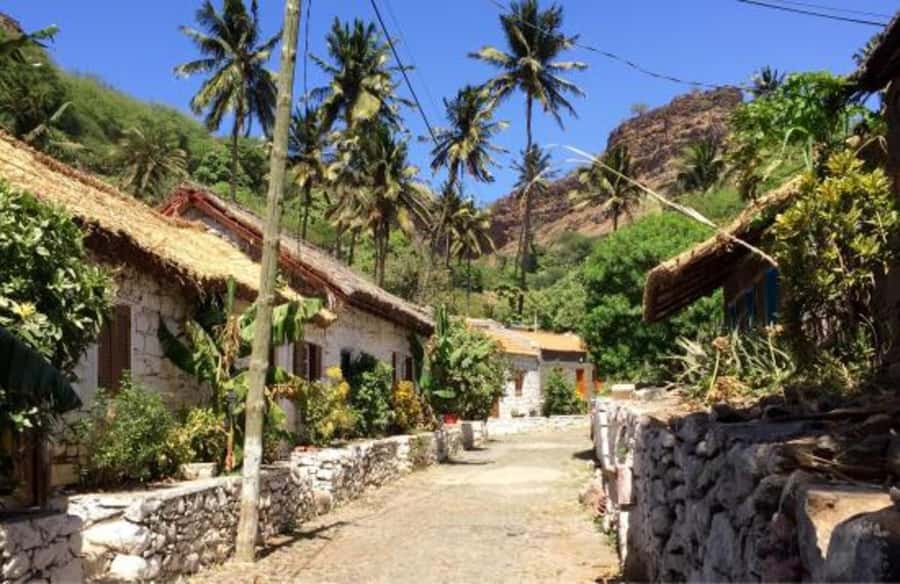
Once in Cidade Velha, the guide takes you to the main historic monuments that remain from the ancient city. The exact monument names are not specified, so I would not book this expecting a detailed checklist of particular churches, fortifications, or civic buildings.
Instead, expect a guided look at the important surviving places that testify to the presence and contribution of Black men and women. Their value lies in the stories attached to them. The guide’s role is to explain what the city meant, how it functioned, and how African people shaped the society that grew here.
This is where the small group can help. With no more than seven participants, you have a better chance of hearing the explanation clearly and asking a question without competing with a large crowd. Two hours is not enough for every detail, but it is well suited to a tight route through the city’s main historical points.
The setting also gives the visit a visual side. One French-language account specifically highlights the beautiful views encountered during the outing. Those views are a welcome part of the experience, though the tour’s purpose remains historical and cultural rather than scenic. You are getting a few attractive sights alongside a serious account of Cape Verde’s origins.
Wear practical shoes if you have a choice. The tour involves visiting an old city and its monuments, but the provided details do not specify the walking surface, distance, or accessibility arrangements. It is sensible to ask the provider about mobility needs before booking if that affects your plans.
An Afro-centered explanation of Cape Verdean identity
The strongest feature of this experience is its point of view. It is designed with an Afro-centered vision, meaning the African contribution to Cape Verdean nation-building is not pushed into the background.
The guide discusses the main African peoples who populated Santiago and explains how their influence can be seen in Cape Verdean culture. The focus includes skin colors, dance, and the Kriolu dialect spoken in Cape Verde. These subjects help connect the historical visit with the country you see today.
That link is important. A monument can tell you where an event happened, but it cannot by itself explain how a society developed. The discussion of language and dance brings the story forward into daily life. You begin to understand Cape Verde as a Kriolu nation formed from several African roots and European colonial influence.
The wording around Cape Verde’s origins also deserves care. The country’s identity cannot be reduced to one African group or one European power. The tour’s value is that it points to the people brought from several parts of West Africa and examines their contribution to a shared culture.
You may find this especially useful if you have already seen colonial-era sights and want a different balance. Many historic tours spend more time on the buildings and administrators than on the people who built, worked in, and lived within the colonial system. This outing tries to correct that imbalance.
Same island, a completely different sort of day:
- Serra Malagueta: Principal Valley Hike & Lunch with Locals
★ 4.7 · 64 reviews - Praia: Baobab Mysterious Tree, Green Valley & Old City Hike
★ 4.8 · 53 reviews - Santiago: Calabaceira Valley Trek & Visit to Cidade Velha
★ 4.8 · 49 reviews - From Praia: Boat Trip, Snorkeling, Cave & BBQ on the Beach
★ 4.6 · 45 reviews
What the guides add to a short visit
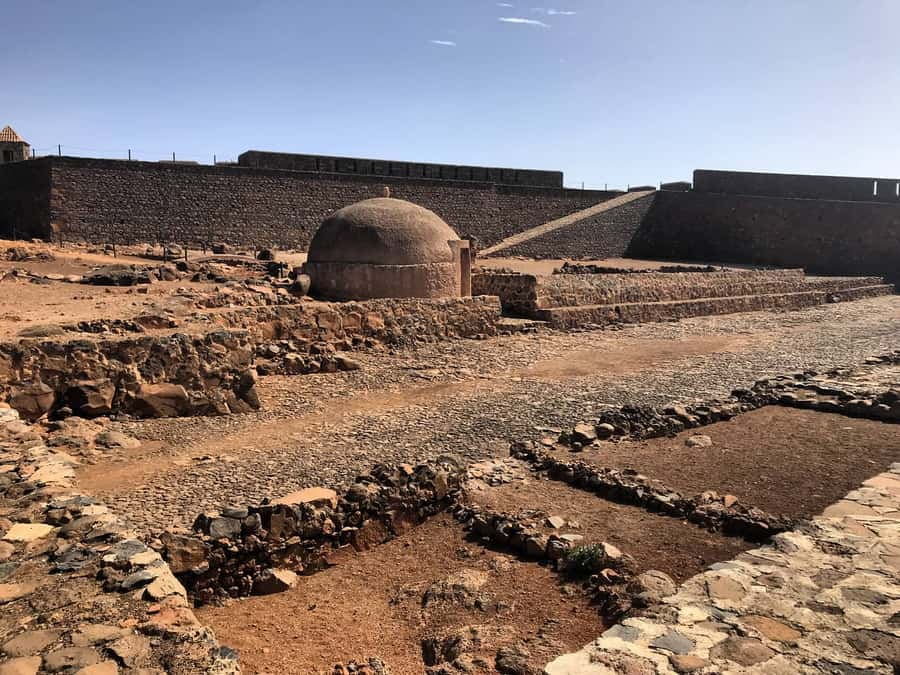
Live guiding is available in English, French, and Portuguese. That is a practical advantage in a tour where meaning depends on explanation rather than simply looking at buildings.
A French-speaking guide received particular praise for speaking very good French and explaining Cape Verdean history clearly. Antonio is also named as a guide who led a visit through Cidade Velha with a strong focus on history. Since guide assignments can vary, you should not assume Antonio will lead every departure, but his name gives you a useful point of reference if you are hoping to request him.
The guide is not there only to point out monuments. The stated focus includes the origins of the Cape Verdean people, African population groups, cultural traits, and the role of Black men and women in the country’s founding. That is a lot to cover in two hours, so expect a compact presentation rather than a long seminar.
If you speak French, this can be a particularly good fit because the experience has been offered with strong French-language guiding. English and Portuguese are also available. If language clarity is important to you, confirm your preferred language at booking rather than leaving it to chance.
Is the $64 price good value?
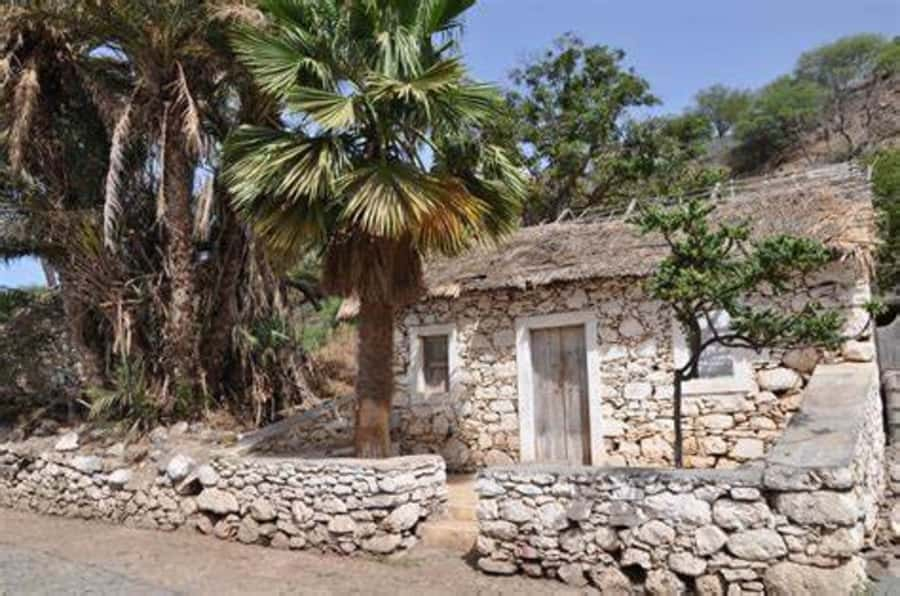
At $64 per person, the value depends on what you want from a short tour. You are paying for a two-hour guided visit, hotel pickup and drop-off, transport, and a small group limited to seven people.
For someone staying near the pickup area, the transport alone may not be the main reason to book. The stronger value is the interpretation. You are paying for a guide who can connect the city’s monuments with African migration, colonialism, slavery, language, dance, and modern Cape Verdean identity.
The small group also makes the price easier to justify. A group of seven is more manageable than a large coach party, especially when the subject is complex and you may want to ask questions. You are not guaranteed a private tour, but the format should feel more personal than a mass excursion.
The short duration keeps the cost from becoming a major commitment. You can fit the visit into a morning or afternoon without giving up a full day on Santiago Island. The tradeoff is that you will not get a wide-ranging island tour, a long museum visit, or an extended study of Cidade Velha.
I would call the price fair for a focused historical experience with included transport. It is less suitable if you mainly want scenic stops or a broad introduction to Santiago. The tour earns its value through context, not through the number of places visited.
Who will get the most from this experience?

I would recommend this tour to you if you want to understand how Cape Verde became Cape Verde. It suits visitors interested in African history, colonialism, slavery, language, cultural identity, and the relationship between historic places and modern life.
It is also a good choice if you want a clear first visit to Cidade Velha without handling transport yourself. The two-hour format works well for a short stay, and the hotel pickup makes the outing straightforward.
French speakers may find the language option especially useful. English and Portuguese speakers also have guiding available, so the tour can work for a mixed international audience if the correct language is confirmed.
You may want something else if your priority is a slow, detailed architectural tour. The activity is built around the African roots of Cape Verdean society, not a full inventory of every building or a long stop at each monument.
It may also feel brief if you prefer to spend hours walking, taking photographs, and exploring at your own pace. The guide-led structure gives you a strong theme, but it leaves less free time than an independent visit.
Booking details worth keeping in mind
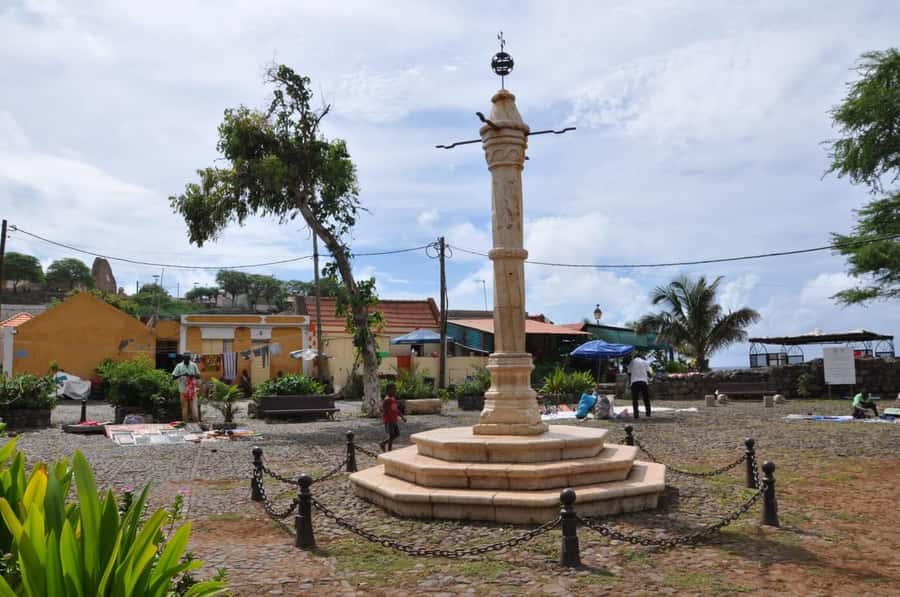
The tour offers free cancellation up to 24 hours before the scheduled start, with a full refund. You can also reserve now and pay later, which is useful if your Santiago plans are not fully settled.
Check the available start times before you commit. The activity lasts two hours, but the time spent getting ready for pickup and returning to your accommodation still matters when you are planning other activities.
The group is limited to seven participants. That is small enough for direct contact with the guide without requiring the higher price of a private outing.
Since the tour deals with slavery and forced migration, bring the right frame of mind. The subject is serious, and the Afro-centered approach is direct. That is a strength for visitors who want a fuller account, but it may not suit someone looking for a casual sightseeing trip.
Should you book it?
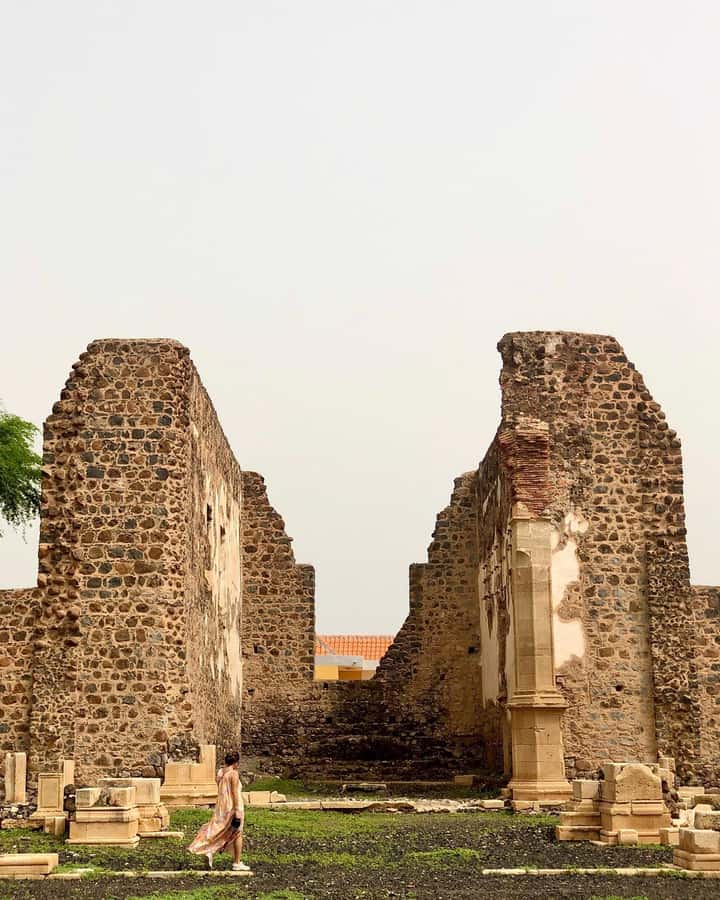
Book this experience if you want Cidade Velha explained through the African people who helped create Cape Verdean society. The combination of a short drive, a focused historic visit, multilingual guiding, and a group capped at seven makes it an efficient introduction.
The strongest reasons to choose it are the Afro-centered theme, the link between monuments and modern Kriolu culture, and the included hotel transport. Ask about the guide and language when booking, especially if you hope to have Antonio or want the tour in French.
Skip it if you want a full-day exploration of Santiago, a detailed architectural survey, or plenty of independent time. For a two-hour look at the origins of the Cape Verdean people, though, $64 is a reasonable price for a focused and thoughtful visit to Cidade Velha.
FAQ
Where does the tour take place?
The tour takes place on Santiago Island in Cape Verde, with the main visit in Cidade Velha.
How long does the experience last?
The tour lasts two hours.
How far is Cidade Velha from the hotel pickup point?
The drive from the hotel to Cidade Velha takes about 20 minutes by car.
Is hotel pickup included?
Yes. Hotel pickup and drop-off are included.
What languages are available?
The live guide can provide the tour in Portuguese, English, or French.
How many people can join the group?
The group is limited to seven participants.
What does the tour focus on?
It focuses on the African peoples who helped populate Santiago and the African contribution to Cape Verdean culture, identity, dance, skin colors, and the Kriolu dialect.
Is transport included in the price?
Yes. Transportation is included, along with the guide and hotel pickup and drop-off.
Can I cancel for a full refund?
Yes. You can cancel up to 24 hours in advance for a full refund.
Newly listed around Praia
- Santiago Island: Private Airport Transfer to Praia or Vice Versa★ 5.0 · 3 reviews
- Hiking Águas Belas Cave★ 4.5 · 3 reviews
- Santiago Island: 4-Hour Calabaceira Valley Hike & Guided Tour to Cidade Velha★ 5.0 · 18 reviews
- Private Tour of Santiago – Discover the Island★ 4.5 · 18 reviews
- Tarrafal Beach Tour: Boat Trip to the Lighthouse, Snorkel & BBQ Lunch★ 5.0 · 5 reviews
- Best of Santiago Island: Cidade Velha, Workshop & Tarrafal Beach Tour★ 4.5 · 3 reviews
- Private Tour in Praia, Cape Verde★ 4.5 · 7 reviews
- Santiago Island: Banana Plantation, Natural Park & Workshop with a local family★ 5.0 · 10 reviews
Santiago Tours, compared.
Santiago Island Tour with Tastings and Tarrafal Beach
Read our review →
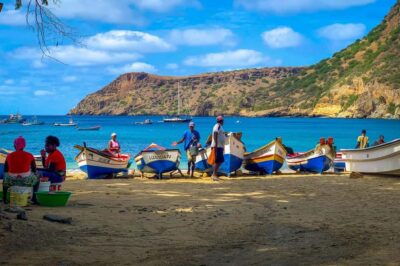
From Port of Praia: Island Tour for Cruise Ship passengers
Read our review →
Santiago Island Tour: Meet with a Local Family & Tarrafal Beach
Read our review →
Island tour with German-speaking guide for cruise guests
Read our review →
Santiago Island: Highlights of Cidade Velha with Local Guide
Read our review →Browse the lists this tour appears in